Almost every wedding blog gives the same advice about unplugged weddings: guests should put their phones away so they can be present, and so your photographer can work. It is good advice. It is also only about half of the day.
The all-or-nothing framing is what causes the trouble. Couples read "unplugged wedding," picture a tech-free day from start to finish, and then either commit to something they do not really want or drop the idea entirely. Both outcomes cost you something. The useful question is not whether to go unplugged. It is which twenty minutes genuinely need phones down.
Our bias, stated up front
We are a wedding studio. We shoot weddings, and we also build films out of footage that guests capture. So we have a commercial interest in your guests having their phones out. You should read everything below knowing that.
We are telling you anyway, because the honest answer is still not "never unplugged." There is one stretch of the day where phones cause real, unrecoverable damage, and we would rather make the specific case than the self-serving one.
The photograph an unplugged ceremony actually saves
Here is the strongest argument for going unplugged, and it is narrower than most articles suggest.
The processional happens once. There is no second take of walking down the aisle. Your photographer has one pass to get the shot from the back of the aisle looking forward, and the aisle is exactly where guests lean out with phones for the same view. When it goes wrong, it goes wrong permanently: the frame you were promised, with an arm and a glowing rectangle in the foreground.
That is the real cost. Not distraction in the abstract. One specific, unrepeatable, frequently ruined photograph. Everything else about an unplugged ceremony is a smaller version of the same argument.
The day, moment by moment
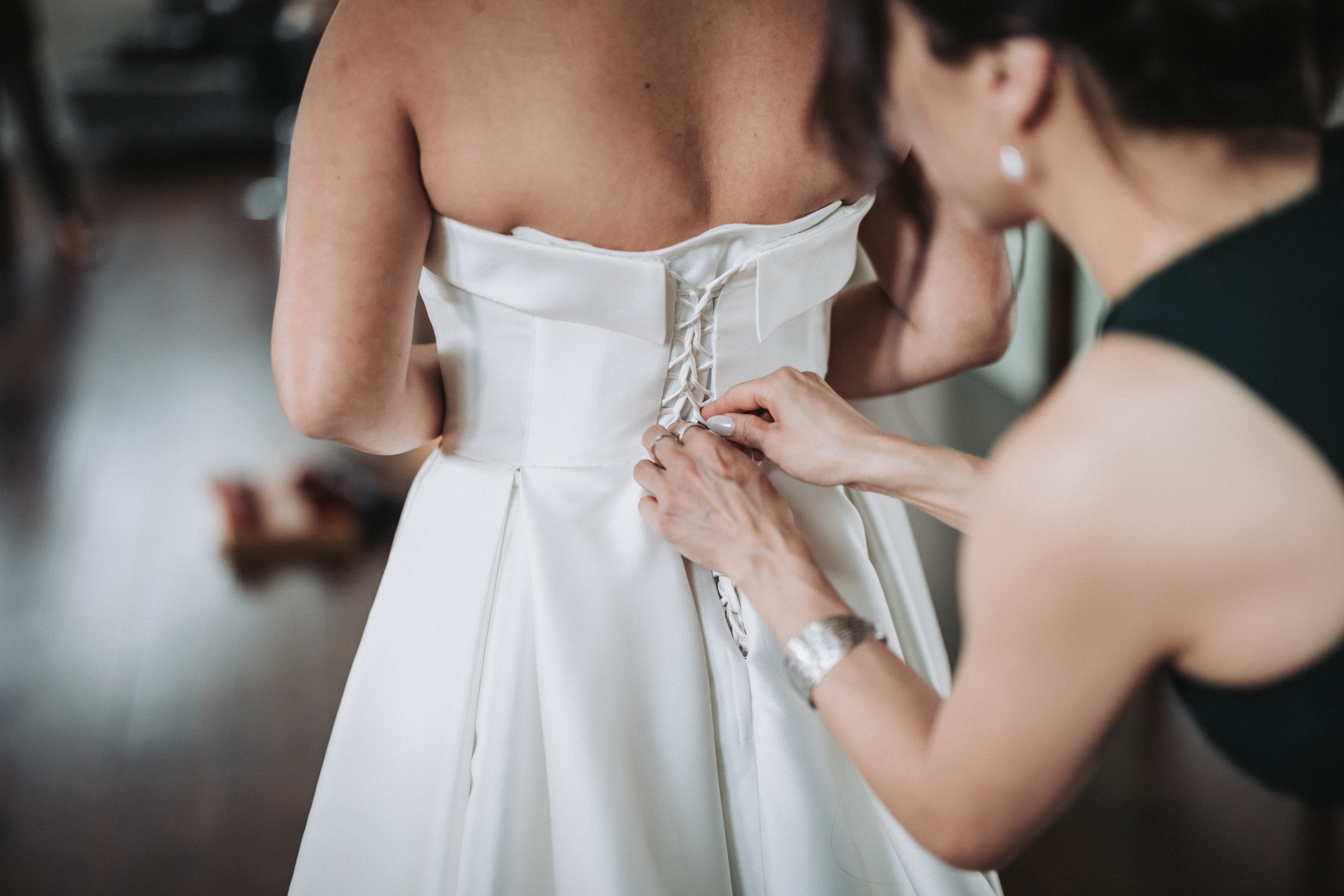
Getting ready: phones up
Nothing here is fragile. The room is bright, the moments repeat, and the phone photos from this part of the morning are some of the ones couples end up loving most, because they are taken by the people who know you best.
The processional: phones down
This is the non-negotiable one. It is thirty to ninety seconds, it is the shot most at risk, and it is the easiest ask to make of a room because the reason is obvious once you say it out loud.
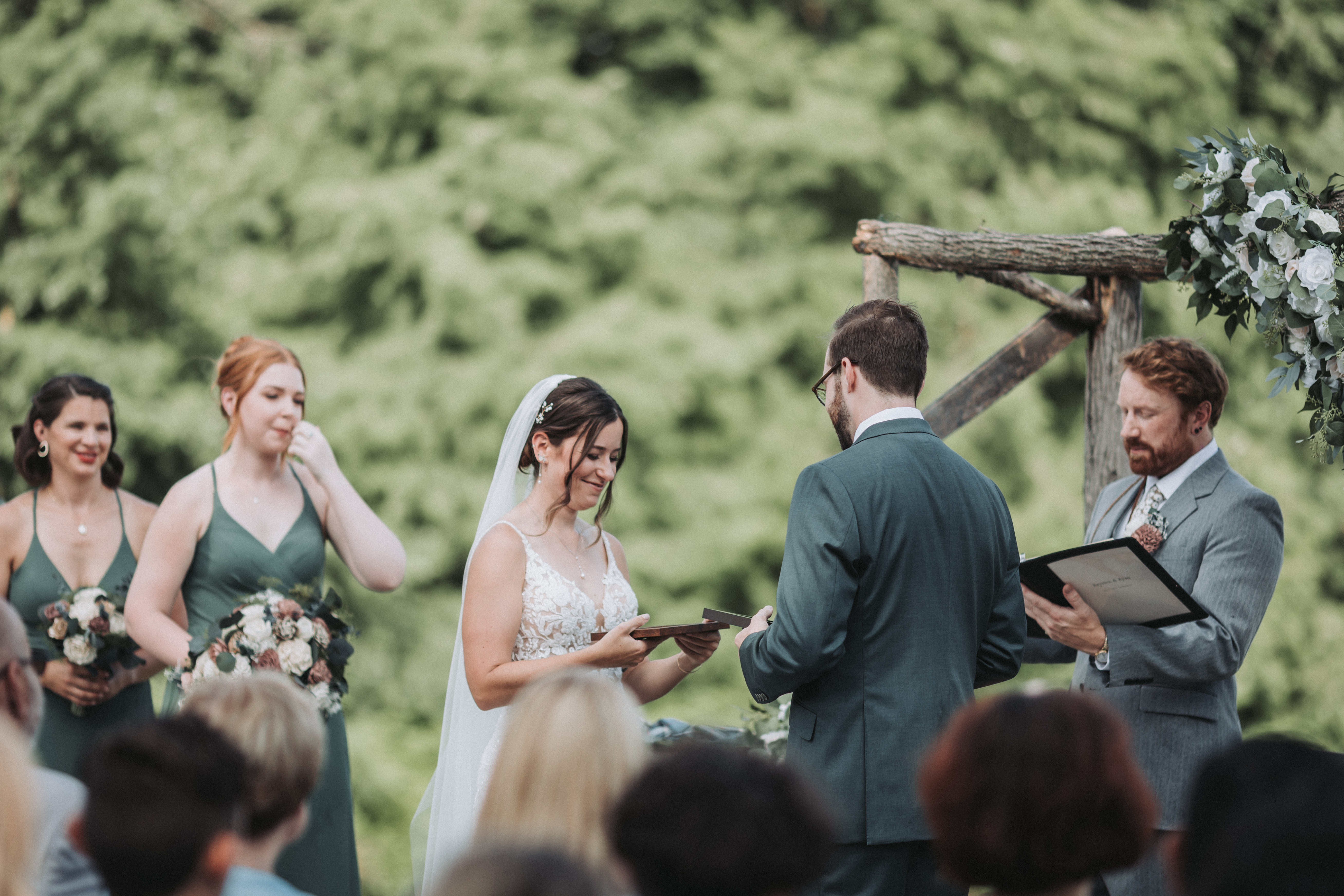
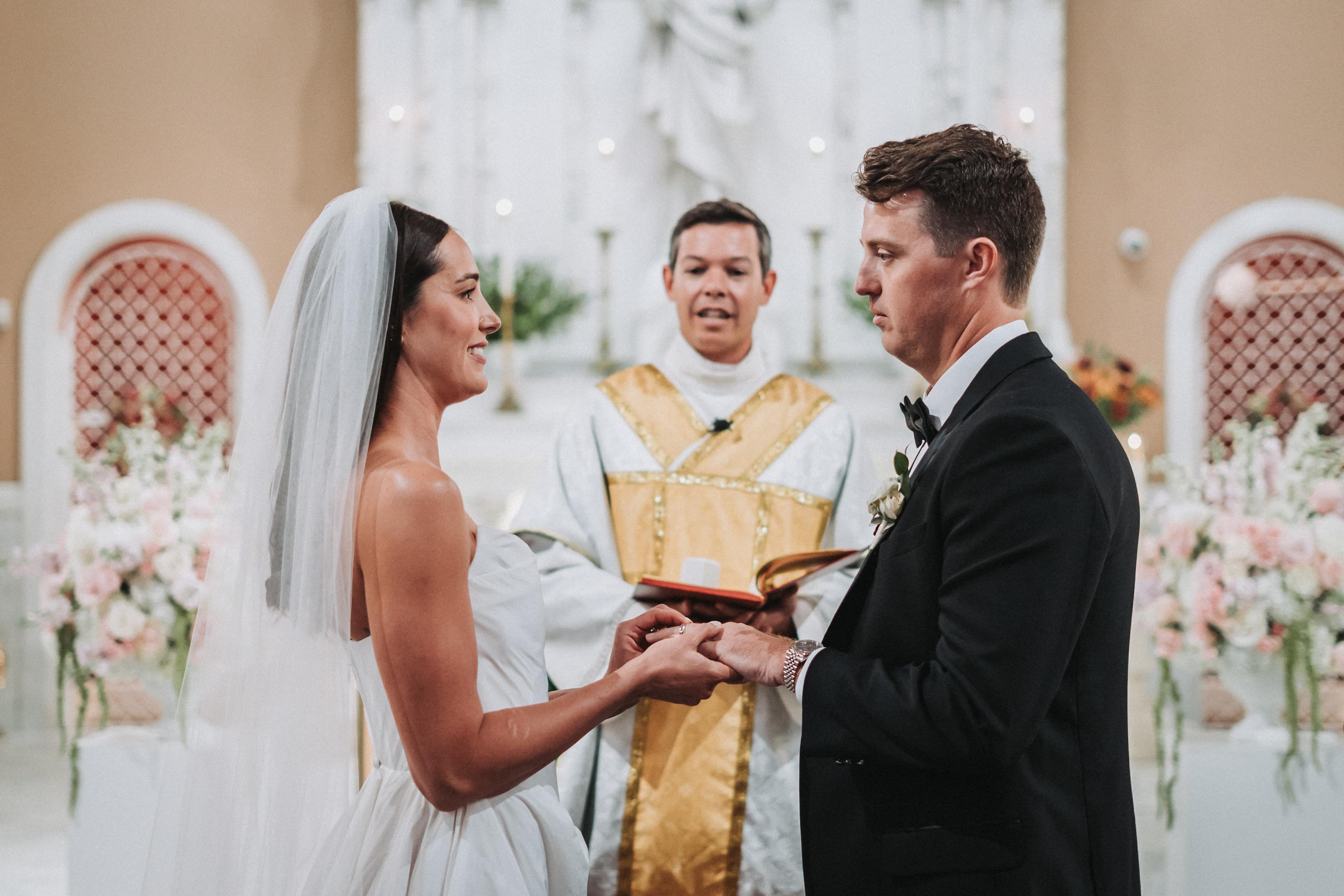
Vows and rings: phones down
Less about the photograph and more about the sound. If you are having the ceremony filmed, phone shutter sounds and whispered narration land in the audio. Vows are the one piece of ceremony audio you cannot fix later.
The kiss: phones down, with one nuance
Same logic as the processional, plus a specific hazard. Front-row guests raising phones at the kiss put hands in the frame of the closest, tightest shot of the day. If you are only going to enforce two moments, make it the processional and the kiss.
The recessional: let it go
You are walking out to applause and everybody is standing anyway. The professional shot is already made. This is the natural point to release the room, and it makes the earlier ask feel bounded rather than absolute.
Cocktail hour: phones up
Your photographer is almost certainly off doing family portraits or couple portraits during this hour, which means cocktail hour is one of the least covered parts of the entire day. Guest photos are the only record of it that exists.
Toasts: phones up, deliberately
This one surprises people. The professional camera is on whoever is speaking. What it usually is not on is the room: your father's face during your sister's toast, the table that lost it at the punchline. Those reaction shots come from guests, or they do not come at all. If there is one moment to actively encourage filming, this is it. It is also one of the easiest wins in running a reception that actually works.
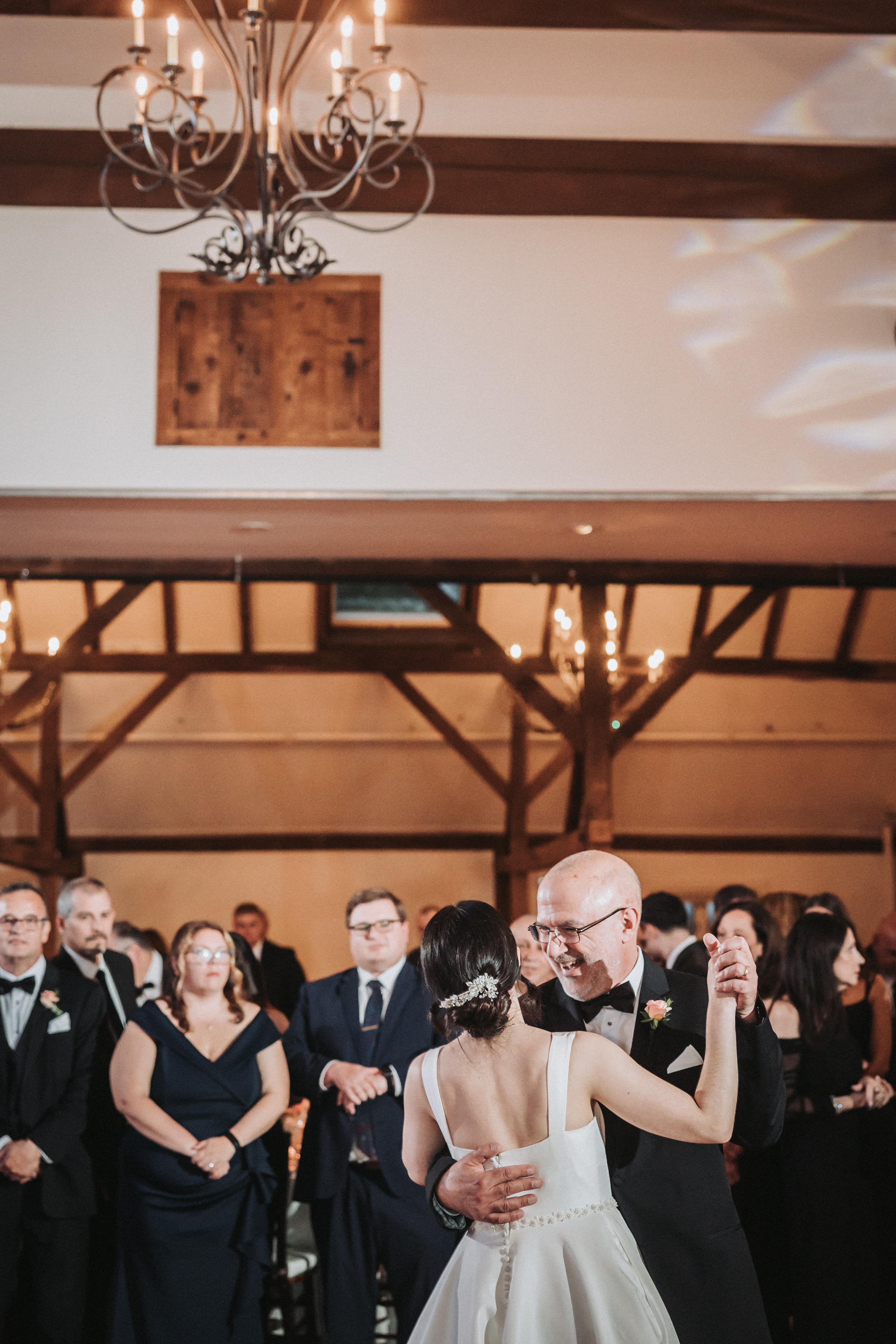
First dance: down for the first minute
Give your photographer the opening of the song clean, then let the floor fill and the phones come up. The first thirty to sixty seconds is when the composed, lit, wide shot gets made.
Late-night dance floor: phones up, and check your contract
Look at what time your photography and video coverage ends. For a lot of packages it is 9 or 10 p.m., and the reception runs well past it. Everything after that hour exists only if a guest recorded it. The late dance floor, the last song, the friends who stayed until the lights came up: that footage is guest footage or it is nothing. It is worth confirming the exact end time when you book your photographer, because it is easy to miss in a contract.
The exit: phones up
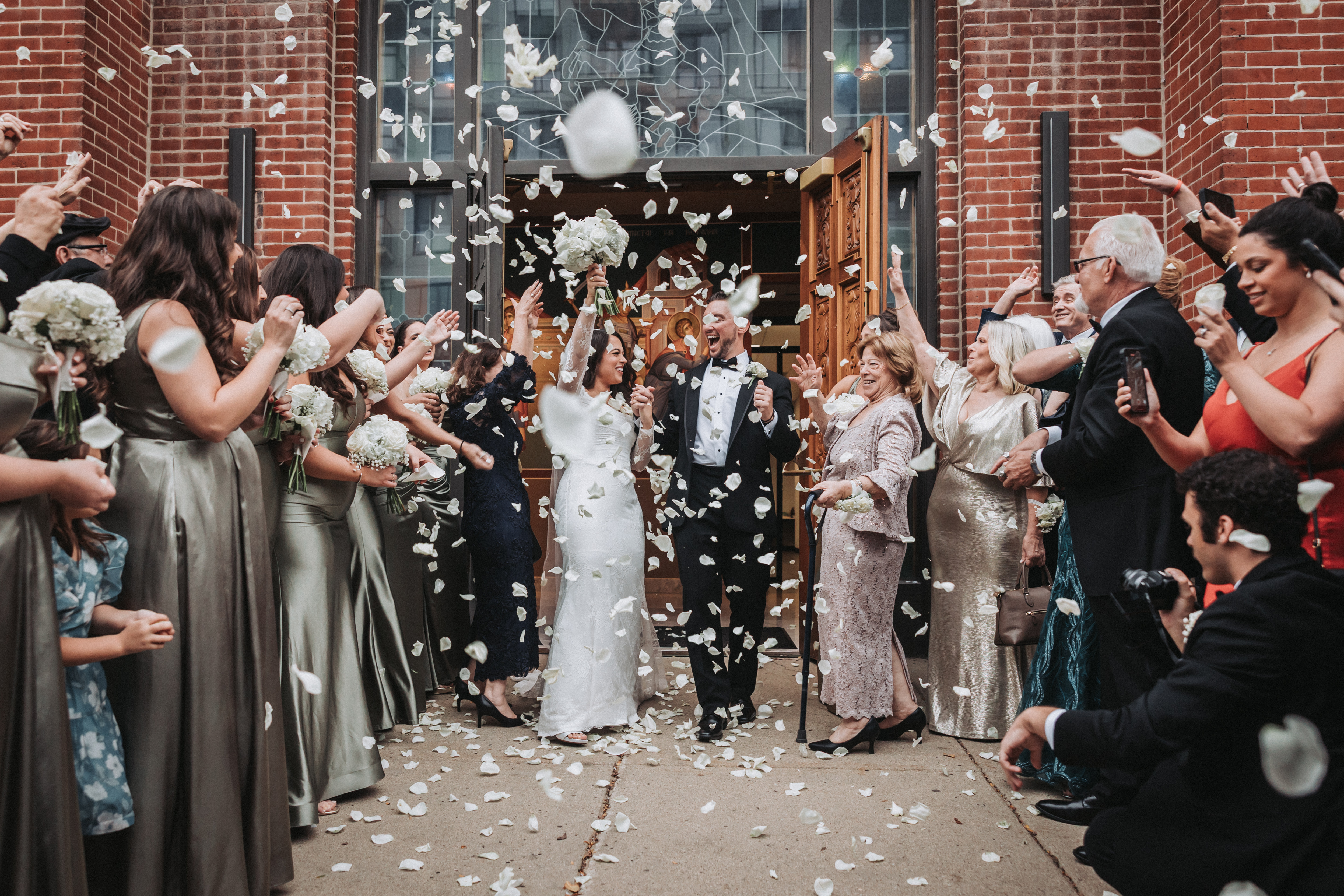
Sparklers, the car, the send-off. Chaotic, brief, and the more cameras pointed at it the better.
How to actually tell people
Most unplugged weddings fail on communication rather than intent. A small sign at the entrance does not reach the person who arrived late and sat in the third row. Here is the wording that works, in the order it should happen.
The officiant line, right before the processional
This is the one that matters. It reaches everyone, it arrives at the right moment, and people comply because it is a live human asking. Give your officiant something like:
"Before we begin, the couple would love for you to be fully here with them. Please put phones and cameras away for the ceremony. Their photographer will capture everything, and you will get the photos. Phones back out at the reception, and please take as many as you like then."
That last sentence is the important half, and almost nobody includes it. Telling people when the restriction ends makes them far more willing to honor it while it lasts.
Signage at the entrance
Short, warm, and specific about duration:
"Unplugged ceremony. Phones away until the recessional, then photograph everything."
A line in the program
For anyone who missed both, one sentence near the top: "We are having an unplugged ceremony. Please keep phones put away until we walk back up the aisle."
The announcement nobody writes: turning phones back on
If you told the room to put phones away, you have to tell the room it is over, or half of them will stay off all night and you will lose the coverage you actually wanted. Have your DJ or bandleader say it once, early:
"The unplugged part is done. Take pictures, take video, and send them to the couple. There is a QR code on your table."
What a fully unplugged day costs you
If you extend the restriction across the whole wedding, this is the bill:
- The uncovered hours. Cocktail hour and everything after your photographer leaves is guest-captured or unrecorded.
- Reaction shots. Professionals shoot the speaker. Guests shoot the room.
- Sound. Phones capture audio. Still cameras do not, and the toast that everyone quotes for a decade lives in someone's phone video or nowhere.
- The people who could not come. Live photos sent from the reception are how remote family participates in real time.
- Compliance. An all-day ask gets ignored by the third hour, which quietly undermines the ceremony ask too.
The setup we would recommend
Unplugged for the ceremony, from the processional through the kiss. Explicitly reopened at the recessional, out loud, by the officiant. Actively encouraged from cocktail hour onward, with one place for all of it to land so it is not scattered across ninety camera rolls you will never see.
That last part is the piece most couples skip. If you are going to invite two hundred phones to document your reception, give the photos somewhere to go. A QR code gallery on the tables collects them at full resolution without anyone installing anything. If you want the moving, talking version of the same idea, a camcorder your guests pass around gets you the dance floor and the toasts as actual footage, edited into a film afterward. We go deeper on that approach in our guide to guest-filmed wedding video.
And if you were considering disposable cameras on the tables as the low-tech version of this, it is worth reading what actually comes back from the lab first.
Phones down where it is unrecoverable. Phones up where the professionals are not. That is the whole framework.
Common questions
Is an unplugged wedding rude to guests?
Not if it is bounded and explained. What reads as rude is an open-ended ban with no reason given. A specific ask for a specific twenty minutes, with a clear endpoint, lands fine.
How do you enforce an unplugged ceremony?
You mostly do not, and you should not try. Say it once through the officiant, immediately before the processional, and accept the small number of people who forget. Assigning someone to police the aisle creates a worse scene than the phone would have.
Should the reception be unplugged too?
We would not. The reception is where guest photos and video have the most value, because it is the part of the day with the thinnest professional coverage and the most sound.
What if guests post before we do?
That is a separate ask from unplugged, and it should be made separately. If a social media embargo is what you want, say that specifically: take all the photos you like, please hold off posting until tomorrow.
Does an unplugged ceremony really improve the photos?
For the processional and the kiss, measurably yes, because those are the frames where a raised phone is unavoidably in shot. For the rest of the ceremony the effect is smaller and mostly about audio and atmosphere.