If you film only seven things, film these: a camera left running on the whole ceremony, the waiting partner's face as the other walks in, the vows close and steady, guests giving short wishes to the camera, the grand entrance, the whole first dance, and every toast with its sound. Hold every other shot for at least 10 seconds. That is the list our editors give every couple whose own people film the wedding for us, and the rest of it is below, one part of the day at a time.
Our bias, stated up front
This is our own list, written for our own edit. Our editors wrote it for the friends and family who hold the cameras on The Kit and on Your Phone, Our Edit, and every one of those couples gets it on their order page. The numbers come from our own work: six Kit films whose cuts we counted with a scene-detection tool on November 24, 2026 and checked by eye, and the clips of 17 weddings filmed on The Kit, counted earlier this month. Most shot lists online are written for professional crews with several cameras and a plan for every minute. This one is written for a cousin with a camcorder, so it is ranked: the shots that cannot happen twice come first.
The detail most guides miss: film 10 seconds to use 2
In the six Kit films we measured, a shot stays on screen for about 2 seconds, and a five-minute film holds about 140 of them. That sounds like permission to film in quick bursts. It is the opposite. The 2 seconds an editor uses have to be steady, in focus and at the peak of the moment, and the first seconds of a clip are usually the camera settling.
Our footage shows how often that goes wrong. Across 2,741 clips from 17 Kit weddings, the median clip ran 14 seconds, but 37 percent ran under 10. A clip that starts when the kiss starts and stops when it ends leaves nothing on either side to cut from. Our own filming guide puts it plainly: start before the moment begins and keep rolling after it ends, because short, clipped recordings are hard to use.
So one rule sits under the whole list: roll at least 10 seconds on anything, and let the ceremony, the first dance and the toasts run whole.
The seven shots nobody can film again
| Shot | How to get it |
|---|---|
| The whole ceremony, wide | A camera on a tripod, a ledge or a railing, started before the processional and never stopped |
| The waiting partner's face | From the front, as the other walks in |
| The vows | Closer, from the side, steady, with the sound as close as you can get it |
| Best wishes | At cocktail hour, ask guests to look into the camera and say a few words to the couple |
| The grand entrance | Ready before the doors open; roll long and catch the room |
| The first dance | The whole dance, wide, plus a second angle if there is a second person |
| The toasts | As close as you politely can; the speaker and the couple's faces |
No microphone? During the toasts, stand near the DJ's speaker if you can still see the speaker from there: the closer the camera is to the sound, the cleaner it comes out. Where the ceremony camera goes is in our guide to where to put a tripod to film your ceremony.
The full list, one part of the day at a time
Getting ready
- A wide shot of the room, held for a few seconds
- The dress or suit hanging, near a window if you can
- Shoes, rings, the invitation and the jewelry laid out
- Hair and makeup: close on the hands, wide on the room
- Buttons, cufflinks, ties and veils being done up
- A parent or friend seeing the couple dressed for the first time; roll long
- The outside of the venue or its sign
The first look
- Film from behind the person waiting, so the other walks up in the same frame
- Then the waiting face as they turn; start before they move
- Hold on both reactions longer than feels natural
- A wide shot of the place around them
Family and couple portraits
- The photographer runs this part; film what they cannot: the laughs and the wrangling between poses
- A few seconds of each family group, and the couple with each set of parents
- Kids being kids
- The couple walking toward the camera, and away from it
- Quiet moments, from a respectful distance, and a slow shot of their hands or rings
The ceremony
- The empty ceremony space before guests arrive
- Each person in the processional, from an angle that shows their face
- Guests watching
- The ring exchange, close on the hands
- The kiss: be ready early, roll long
- The recessional, back up the aisle together
Cocktail hour
- Guests mingling, hugging and catching up
- Laughter, held long; it needs a few seconds
- The signs, drinks, flowers and the light
- The couple greeting people
The reception
- The room before guests come in: tables, cake, place settings
- Parent dances, holding on the faces
- The cake cutting: wide first, then close on the hands
- The dance floor, all night; go back and get in the middle
- Guests sitting one out, laughing
- The couple's quiet minute together
- The last dance or the send-off
Who films what
One person cannot be in two places at a ceremony, so give each person a job. With two, one starts the wide camera and stays near it, and the other moves for faces, rings and the kiss. A second camera without its own person mostly waits: in the eight two-camera weddings in our footage numbers, the busier camera recorded a median of 62 percent of the footage. Our guide to getting guests to use the wedding camcorder covers choosing them and what to tell them.
Camcorder or phone, the list is the same
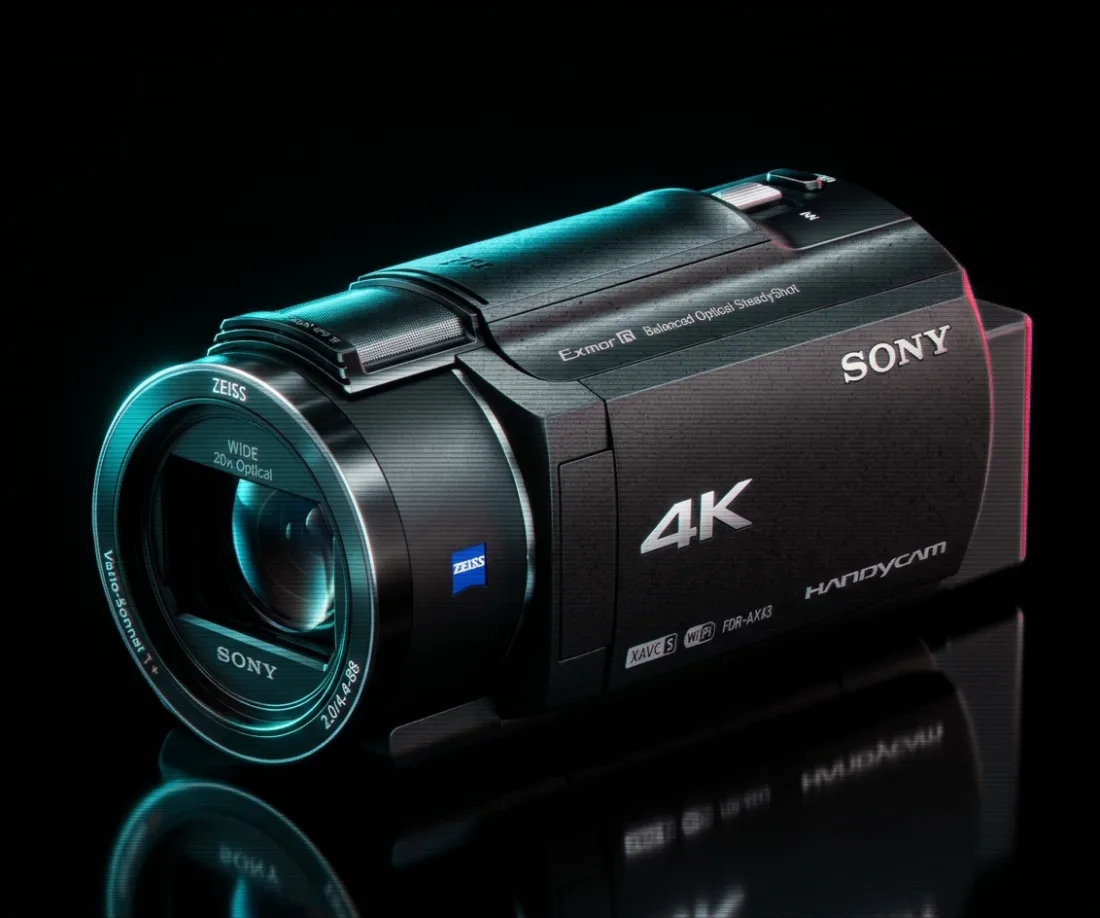
Two habits change with the camera. On a phone, turn it sideways every time, because a vertical clip cannot be cut into a widescreen film, and tap the 1x, 2x or 5x lens buttons instead of pinching to zoom. A camcorder only films sideways; the habit that loses footage on one is pressing record a second time, which stops it. Our guides to using a Sony Handycam at a wedding and filming your wedding on iPhones cover the settings.
If you wonder how long the finished film will be, our post on how long a wedding video should be has our numbers. This one was cut from footage a couple's own people filmed on The Kit.
Print it
The same list, with our six filming rules, is on our filming guide page, open to anyone with no login. Print it, or send the link to whoever is holding the camera.
Where The Kit fits
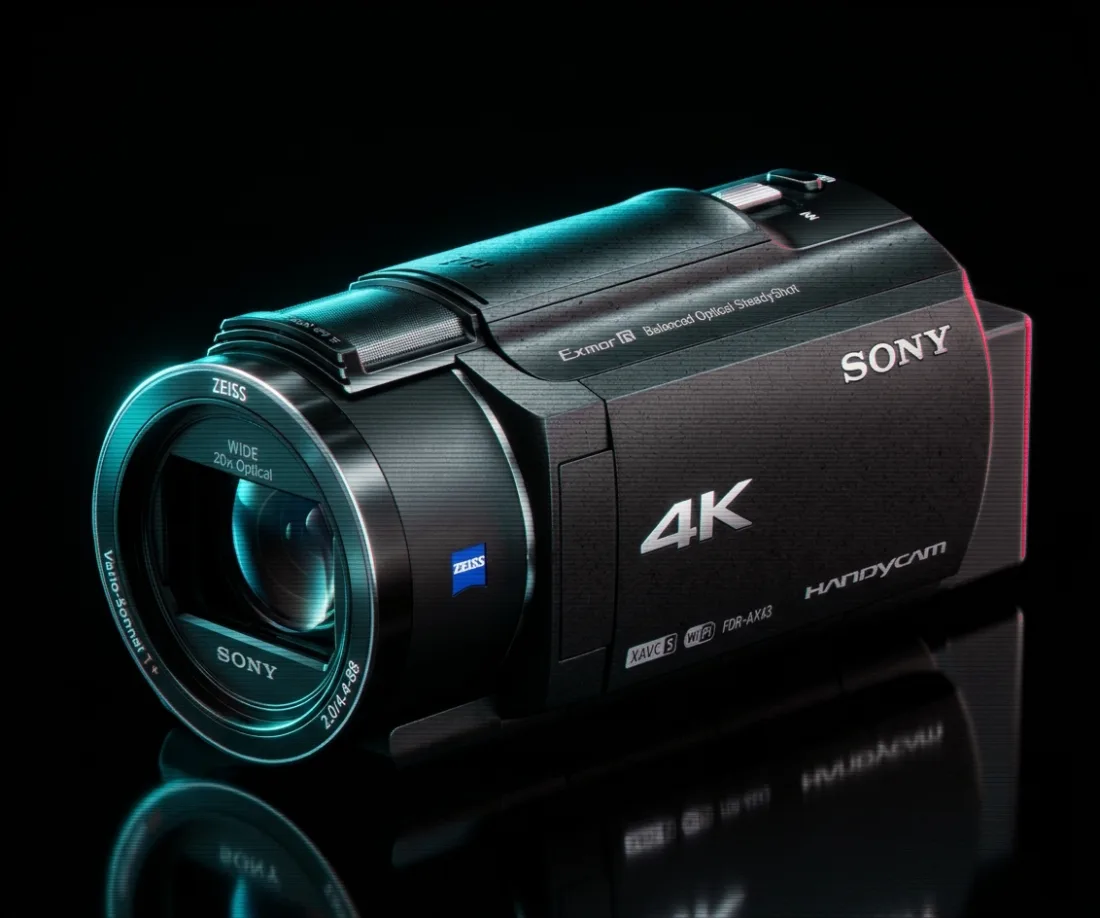
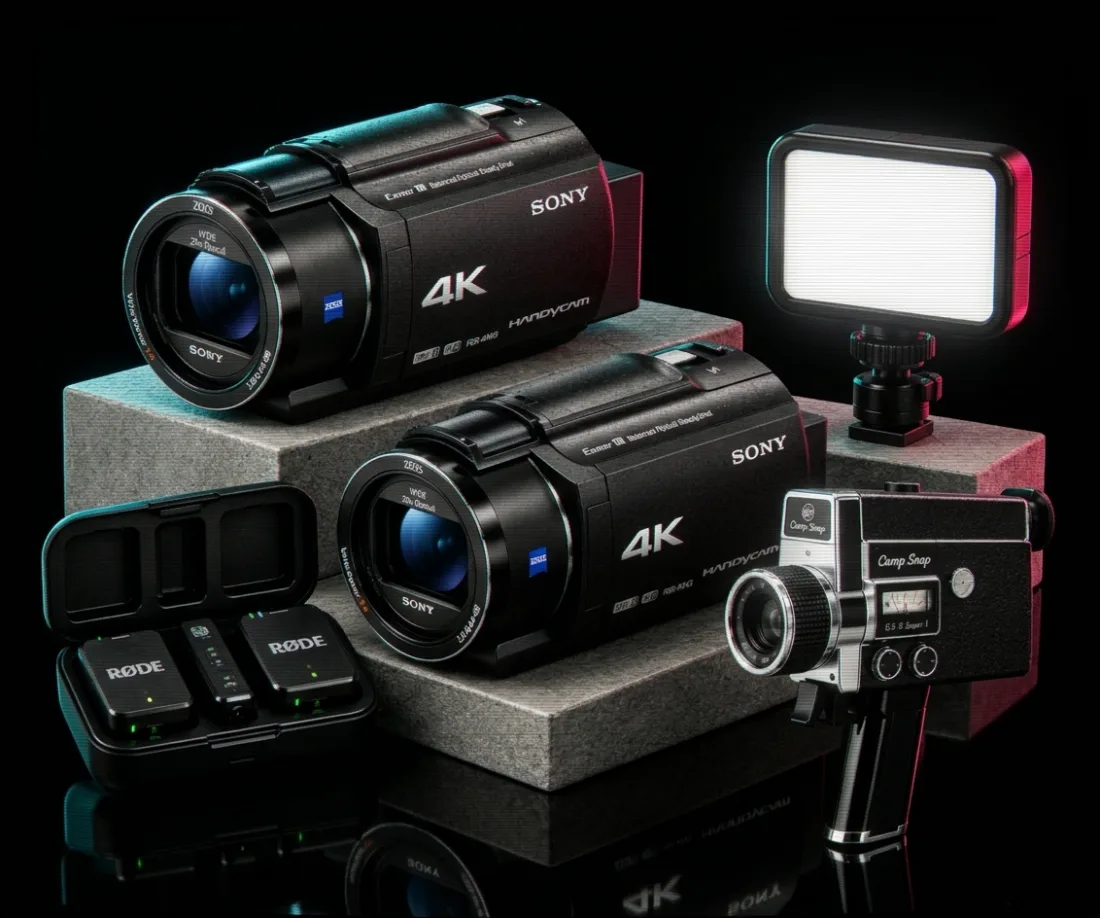
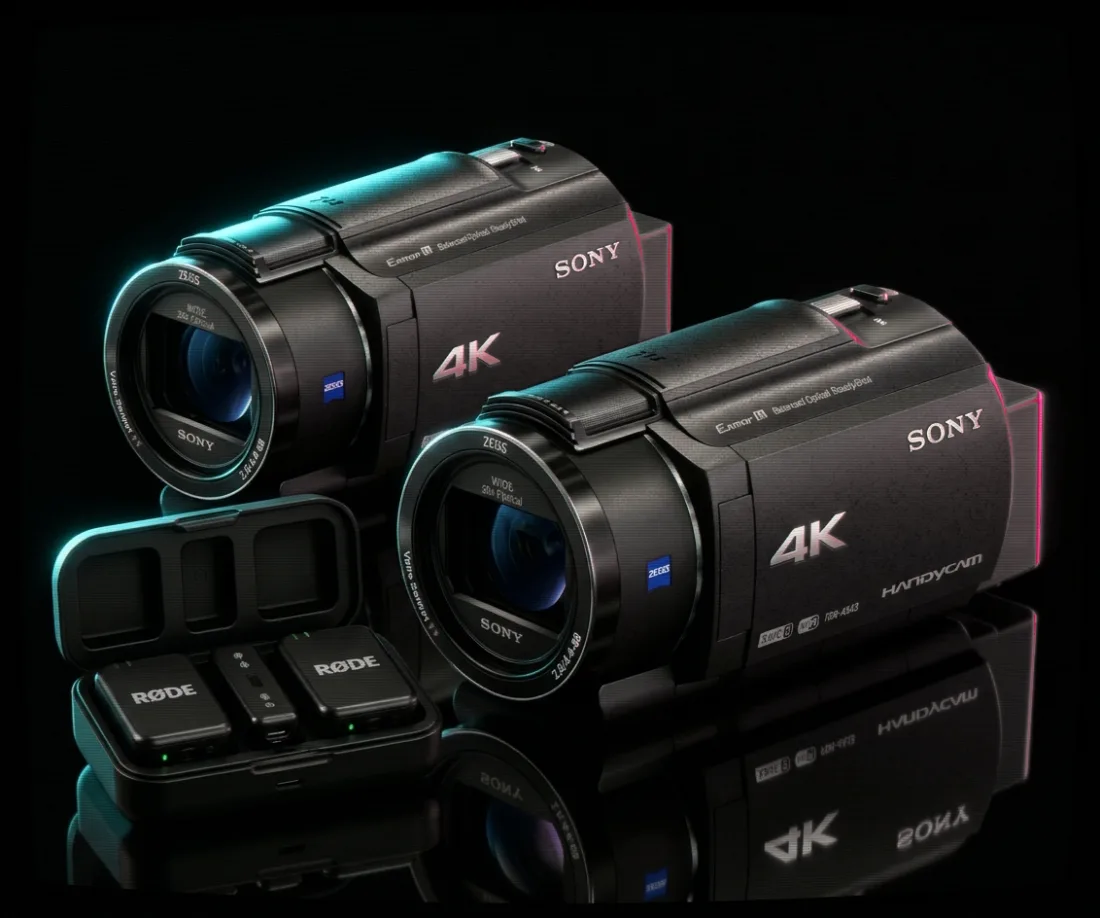
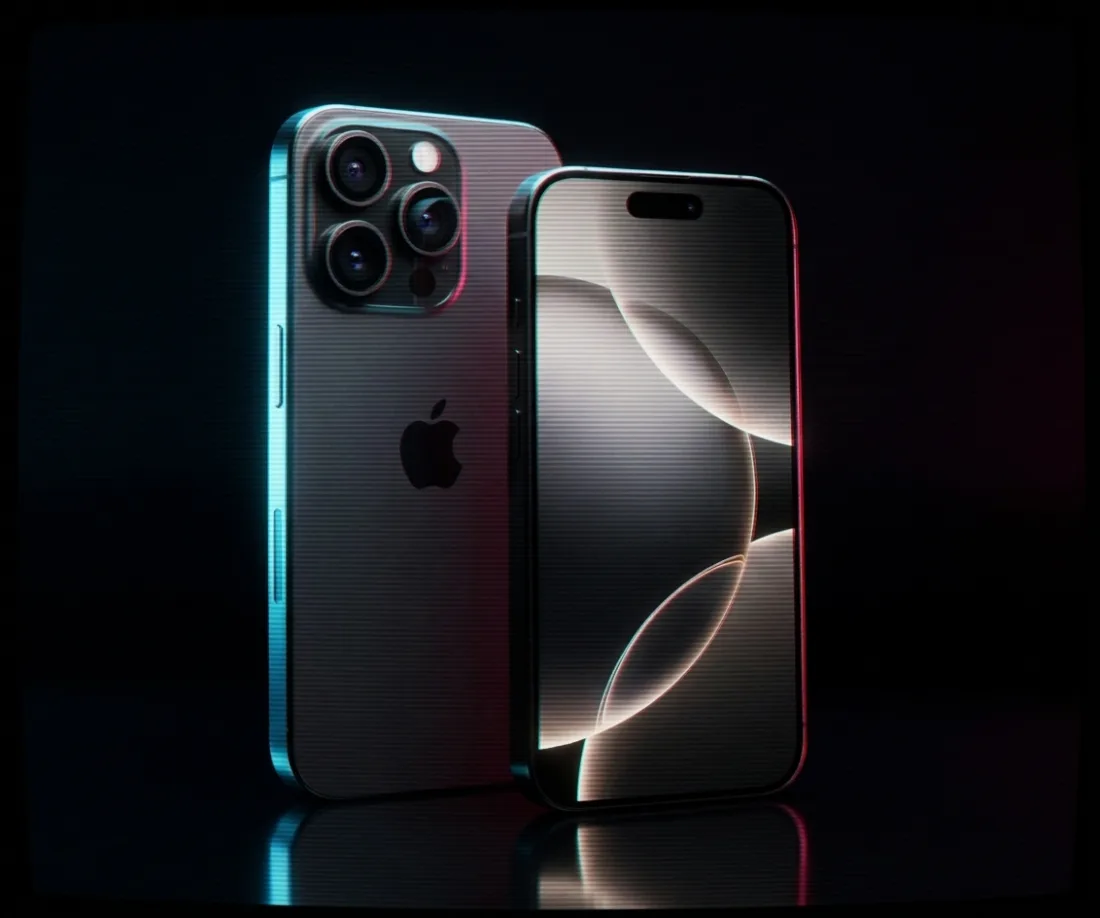
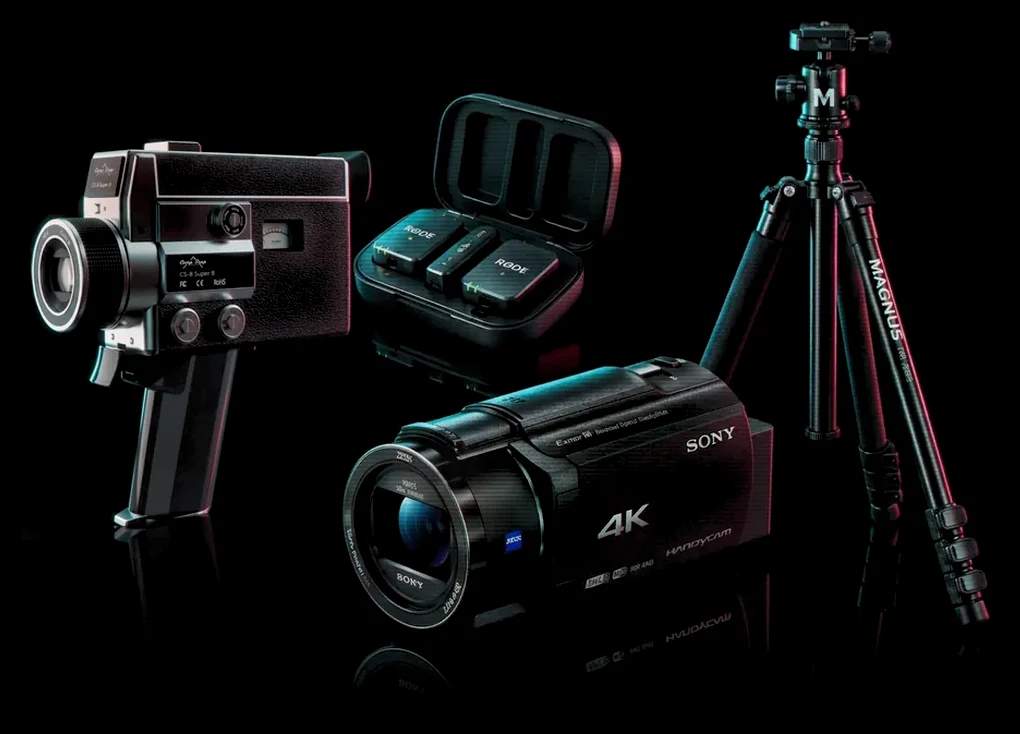
The Kit sends Sony 4K Handycams for your people to film with, and our editors cut what comes back. The Single is $729 for one camcorder. The Double is $989 for two, with our mic kit of two clip-on microphones, which is the easiest way to get the toasts this list asks for. Your Phone, Our Edit, $549, uses the same list on your own iPhones. Every raw clip comes back with the film, in chronological order.
Common questions
What shots should be in a wedding video?
Start with the ones nobody can film again: the whole ceremony from a camera left running, the waiting partner's face as the other walks in, the vows, guests' short wishes to the camera, the grand entrance, the whole first dance, and every toast with its sound. Then getting ready, the first look, portraits, cocktail hour and the dance floor.
How long should each wedding video clip be?
At least 10 seconds, with the ceremony, the first dance and the toasts kept whole. In our Kit films a shot stays on screen about 2 seconds, but the editor needs steady seconds around it to find them. In 17 weddings filmed on our Kit, 37 percent of clips ran under 10 seconds.
What is the most important shot in a wedding video?
A wide shot of the whole ceremony from a camera that never stops. If everything else goes wrong, that one continuous shot still holds the vows, the rings and the kiss. Start it before the processional and leave it alone.
Should guests film a wedding horizontally or vertically?
Horizontally, every time, for a wedding film. A vertical phone clip cannot fill a widescreen film without losing most of the picture or sitting between black bars.
How many people should film a wedding without a videographer?
Two with separate jobs is a good start: one keeps the wide ceremony camera running, and one moves for faces and details. A second camera without its own person tends to sit idle. In eight two-camera weddings on our Kit, the busier camera recorded a median of 62 percent of the footage.