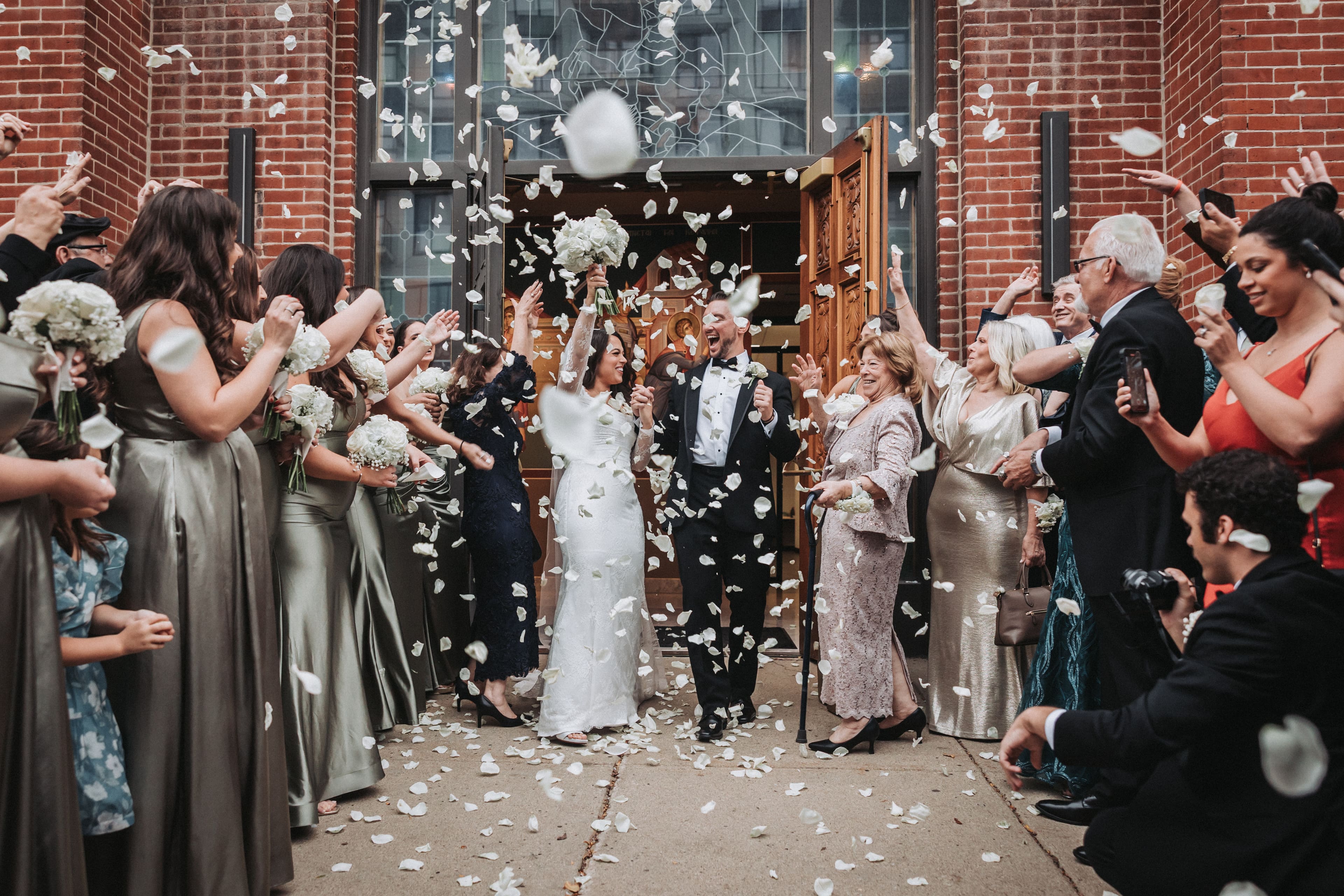
A wedding camcorder left on a table films the tablecloth. To get guests to actually use it, give it a job, a person and a place: one friend who owns it all weekend, a named guest to hold it for each part of the day, a home base where it waits between turns, and a thirty-second lesson for everyone who picks it up. A sign and one announcement do the rest.
Our bias, stated up front
We rent camcorder kits that your guests film with and we edit, so we would rather your camcorder came back full. That is also why we know where these plans go wrong: the camera is rarely the problem. The hand-off is.
The detail most guides miss: a camcorder is passed, not placed
Most advice about guest filming borrows from the guest book: set up a station, add a sign, make it pretty. That works for a guest book, or a QR card for phone photos, because guests come to it. They walk past it at cocktail hour, stop, and write or scan.
A camcorder is the opposite. The moments you want are not at the station. They are at the head table during the toasts, on the dance floor when your grandmother gets pulled in, in the hallway when your dad sees you in the dress. Nothing at a station is near any of them. So a camcorder needs both: a home base where it lives between turns, and a plan for carrying it to the moments. Without the second part, you get a camera that sat beautifully beside the guest book all night and recorded nothing.
Step 1: name a camcorder captain
One person owns the camcorder for the weekend. Not the wedding party, who are busy during exactly the moments you want filmed, and not one of the two of you. Pick a friend or cousin who is organized, comfortable asking people to do things, and likely to stay mostly sober.
The captain's whole job:
- Charge the spare batteries the night before and swap one in at dinner, before the toasts.
- Know where the camcorder is at every point in the evening.
- Hand it to the next person on the list below, at the right time.
- Take it back at the end of the night, and pack it up for the return.
Ask them weeks ahead, give them the list, and if you are renting, let them be the one who opens the box and does the test run the day it arrives.
Step 2: plan the relay
"Everyone film" usually means nobody does, because everyone assumes someone else has it. Name a person for each part of the day instead. They do not need to film the whole time. They just need to have it in their hands when their moment comes, then hand it back to the captain or on to the next name.
| Moment | Who holds it | What to get |
|---|---|---|
| Rehearsal dinner | A friend at a middle table | Every toast, start to finish, and the faces of the people listening |
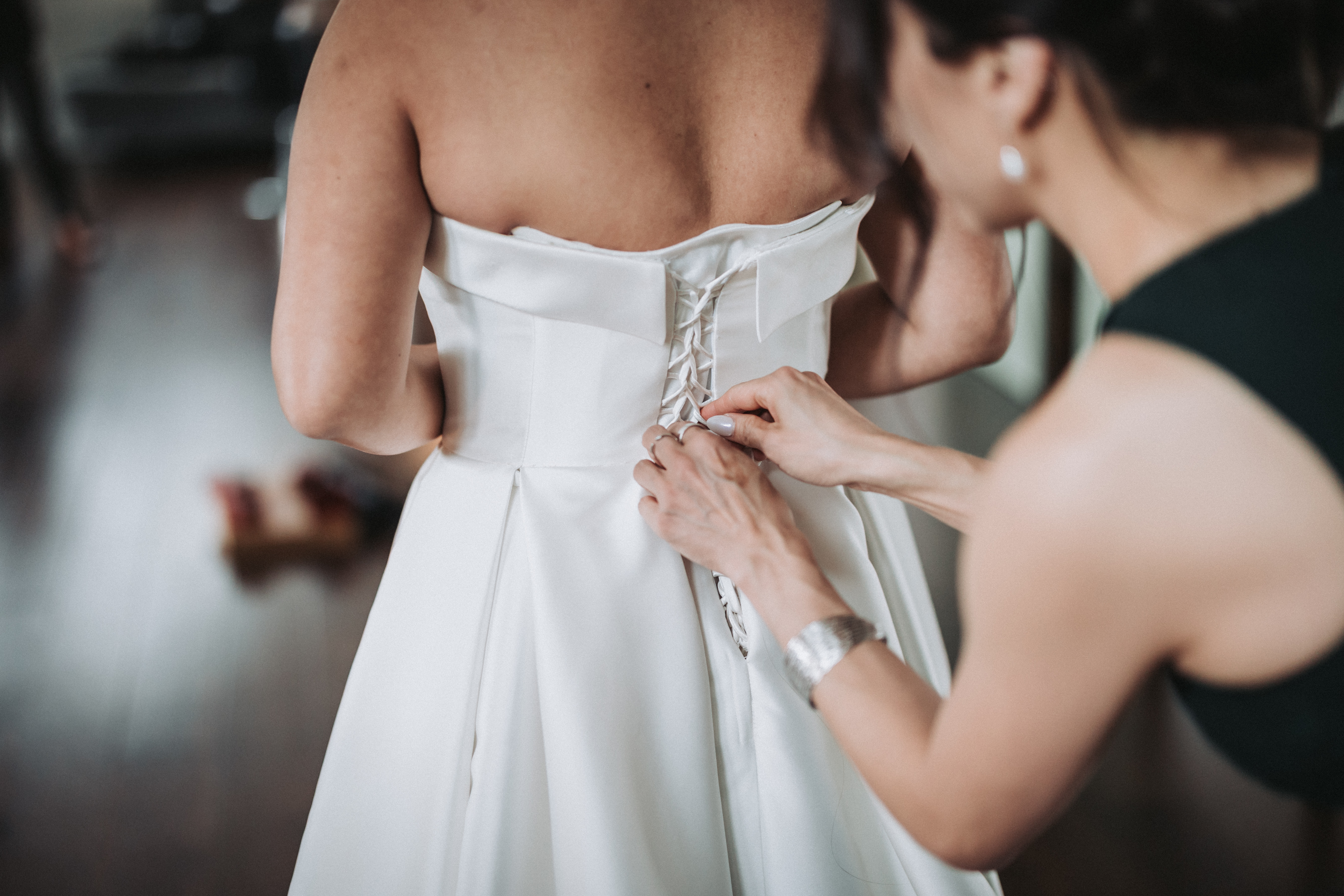
| Getting ready | A bridesmaid or groomsman not yet dressed | Parents seeing you dressed for the first time, the room, the jokes |
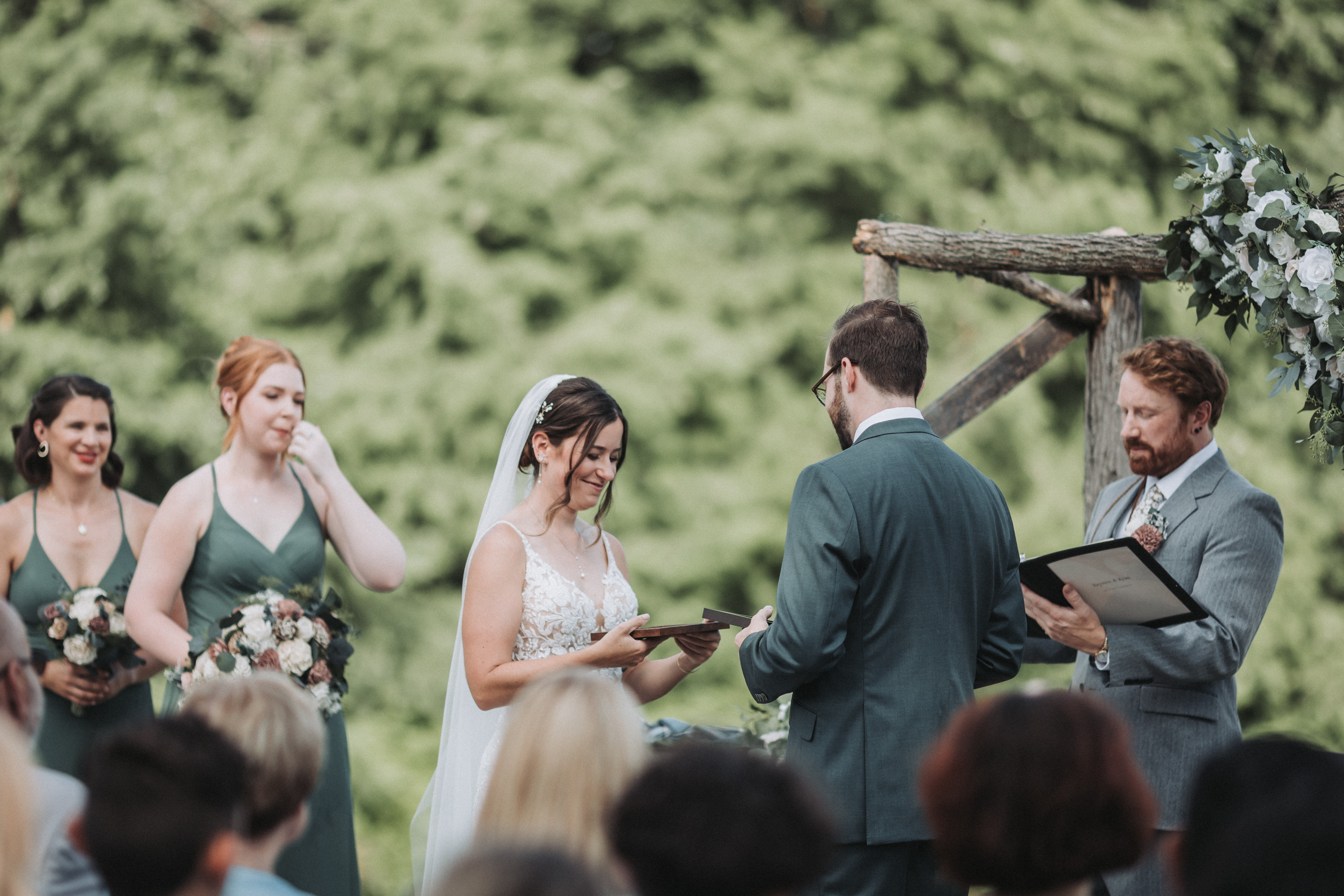
| Ceremony | A guest on an aisle seat near the front, or a tripod | The whole ceremony, one long clip, without zooming |
| Cocktail hour | The captain | Short messages from guests to the two of you |
| Entrances and toasts | A friend near the head table | Each toast in full, close enough to hear it |
| First dance and parent dances | Someone at the edge of the floor | The whole song, then the crowd joining in |
| Dance floor | Whoever the captain hands it to | Ten-second clips, up close, from inside the crowd |
| Send-off and after party | The captain, or the last friend standing | The exit, the late-night speeches, the walk out |
Print this with names filled in and give it to the captain. Our post on filming the whole wedding weekend explains why the rehearsal dinner and the morning after are often the best footage of all, and asking a friend to film has wording for the ask.
Step 3: give it a home base, not a station
Between turns, the camcorder needs a spot everyone knows: the bar, the guest book table, or beside the DJ. Somewhere lit and busy, so a guest who wants to pick it up can find it, and so it is never left on a chair in a dark corner. The home base is also where the sign goes.
Two rules for the home base. The camcorder does not record while it sits there; a clip of the bar running for an hour is not footage, it just fills the card. And it does not stay out unattended late at night. Rented equipment is your responsibility while you have it, and the end of the night is when drinks spill and bags get mixed up. The captain collects it when the dancing thins out.
Step 4: teach the thirty-second lesson
Everyone who picks it up gets the same four instructions, from the captain or from the sign:
- Press the red button once. The most common way to lose a moment is pressing record on a camera that was already recording, which stops it. Press once, then look.
- Check the screen. It shows a red recording mark while it is filming. No mark, no footage.
- Hold each shot for ten seconds or more, and do not zoom. Walk closer instead. Short, zoomed clips are the ones an editor cannot use.
- Get close for anything with talking. The camera's microphone hears whatever is nearest to it. For the vows and the toasts, a clip-on microphone hears far better; our guide to ceremony audio covers where to put one.
One thing you do not need to teach: holding it sideways. Unlike a phone, a camcorder only films horizontally, which is one less way for guest footage to go wrong.
Step 5: the sign, and one announcement
Guests hesitate to pick up a camera that looks like it belongs to someone. A sign gives permission. Keep it short enough to read from a step away. A few ways to word it:
- "This camcorder is yours tonight. Press the red button once, film for ten seconds, pass it on."
- "Be our videographer for a minute. Tell us something we will want to hear in ten years."
- "Pick me up. Point me at someone you love. Press the red button once."
- "Our wedding, through your eyes. Film anything, then bring me back here."
Then ask the DJ or the emcee to say it once, after dinner, when the dancing starts: where the camcorder is, and that everyone is welcome to use it. One announcement does more than any sign, because it happens when people are standing up and ready to move.
Step 6: ask for specific things
People freeze when you hand them a camera and say "film something". They relax when you give them a task. Put a few on the back of the sign or on a card beside it:
- Ask the person next to you how they know the couple.
- Tell the couple your best advice, straight into the camera.
- Film your whole table saying hello, then pass it to the next table.
- Find the couple's parents and ask what they are thinking right now.
- Get the dance floor from the middle, not the edge.
Messages straight to camera are often the moments couples rewatch most, because nobody else was positioned to get them. If you are renting from us, the printed 28-shot card in the box does the same job for the planned moments.
One camcorder or two?
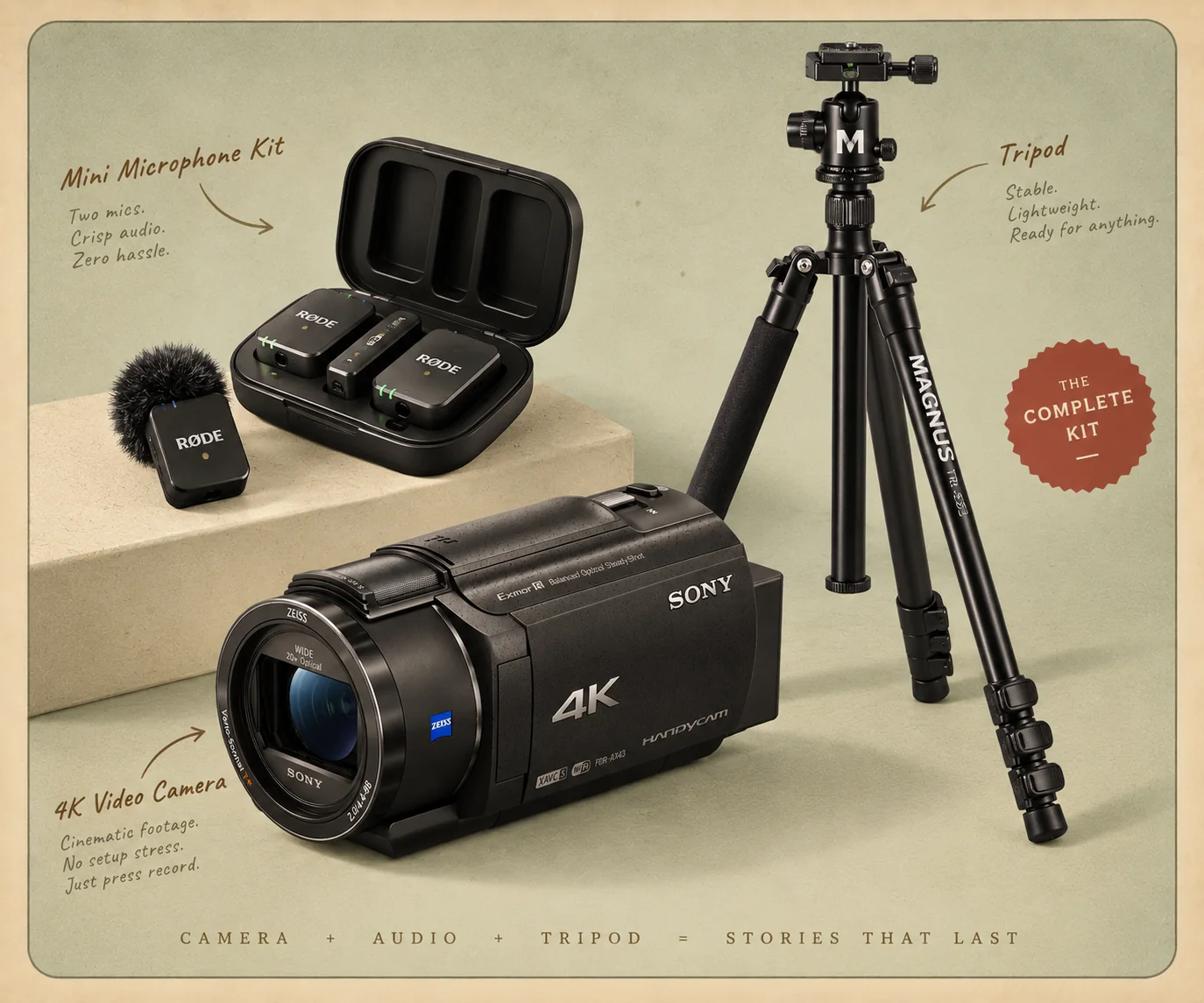
One camcorder covers most weddings if it moves with a plan. Two change what you get back: one can stay on the two of you while the other roams the room, and the ceremony gets two sides at once. That is why our Double has two Handycams and two clip-on microphones in the box. For the dance floor, a screen-free camera made to be passed around works better than a second camcorder, because nobody needs to be shown how to use it; The Full House adds one. And for the moments no camera reaches, a QR gallery lets guests upload what they shot on their phones.
If you are still choosing a rental, our checklist for renting a wedding camcorder covers the dates, batteries, sound and damage terms, and our comparison with Wedding Weekender sets the two best-known kits side by side.
Common questions
How do you get guests to use a camcorder at a wedding?
Give it a person, not a table. Name one camcorder captain who owns it all weekend, ask a specific guest to hold it for each part of the day, give it a home base where it waits between shifts, and teach each holder the same thirty-second lesson. A sign and one announcement from the DJ tell everyone else they are allowed to pick it up.
Should a wedding camcorder have a station or be passed around?
Both, in that order of importance. A station works for a guest book because guests come to it, but the moments that matter happen across the room, so a camcorder has to go to them. Pass it in planned hand-offs, and give it a home base, like the bar or the guest book table, where it waits between them.
Who should be in charge of the wedding camcorder?
One friend who is organized, mostly sober and not in the wedding party, because the wedding party is busy during the moments you most want filmed. The captain keeps the batteries charged, knows where the camcorder is, hands it to the next person on the list, and packs it up afterwards.
What should a wedding camcorder sign say?
Say that guests are allowed to pick it up, then give the three steps that matter. For example: This camcorder is yours tonight. Press the red button once, check the screen says it is recording, film for ten seconds or more, then pass it on. Tell us something while you are at it.
How many camcorders do you need for a wedding?
One is enough for most weddings if it moves around with a plan. A second lets one stay on the two of you while the other roams, and it covers the ceremony from two sides. A screen-free camera made for passing around catches the dance floor without anyone needing to be shown how to use it.