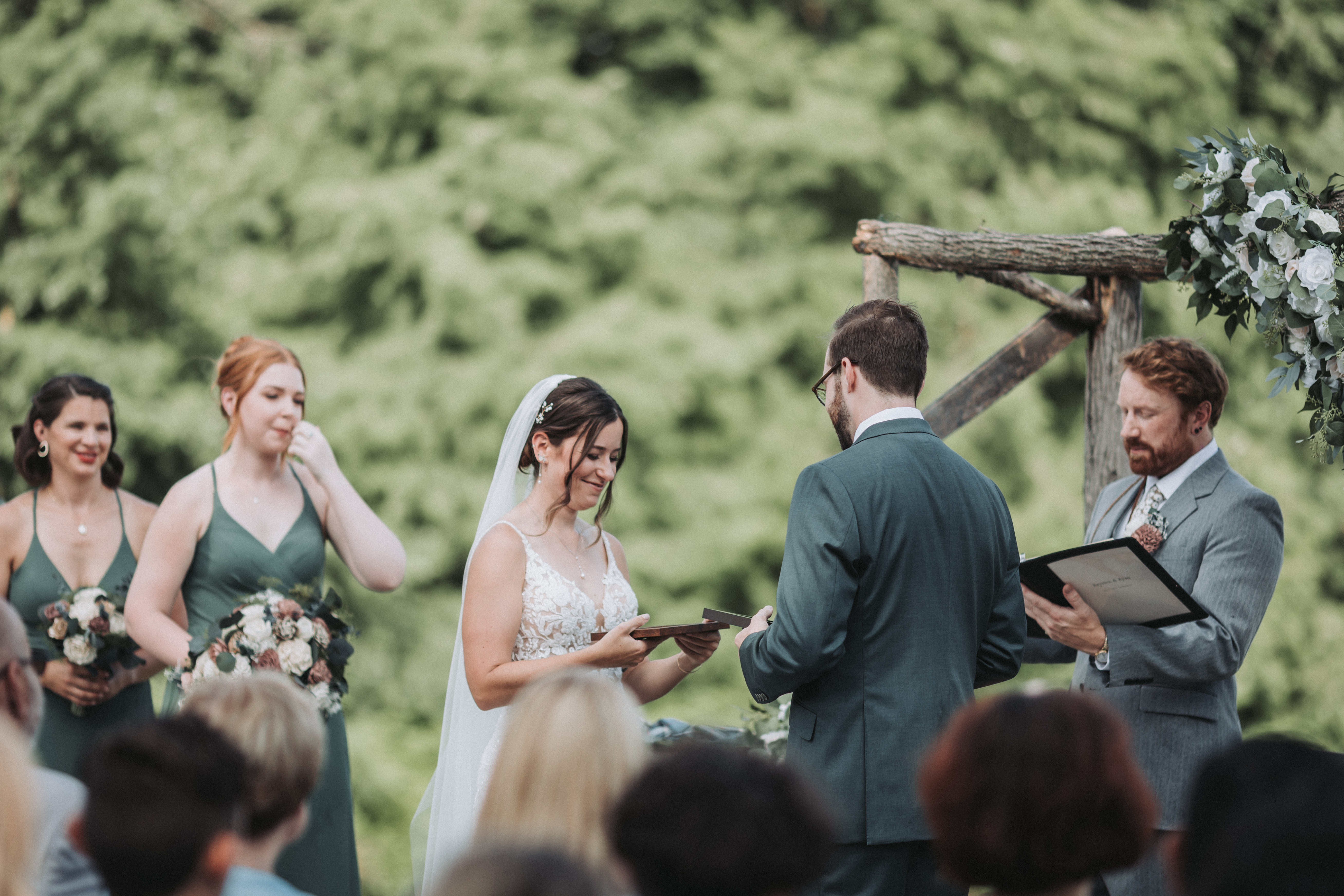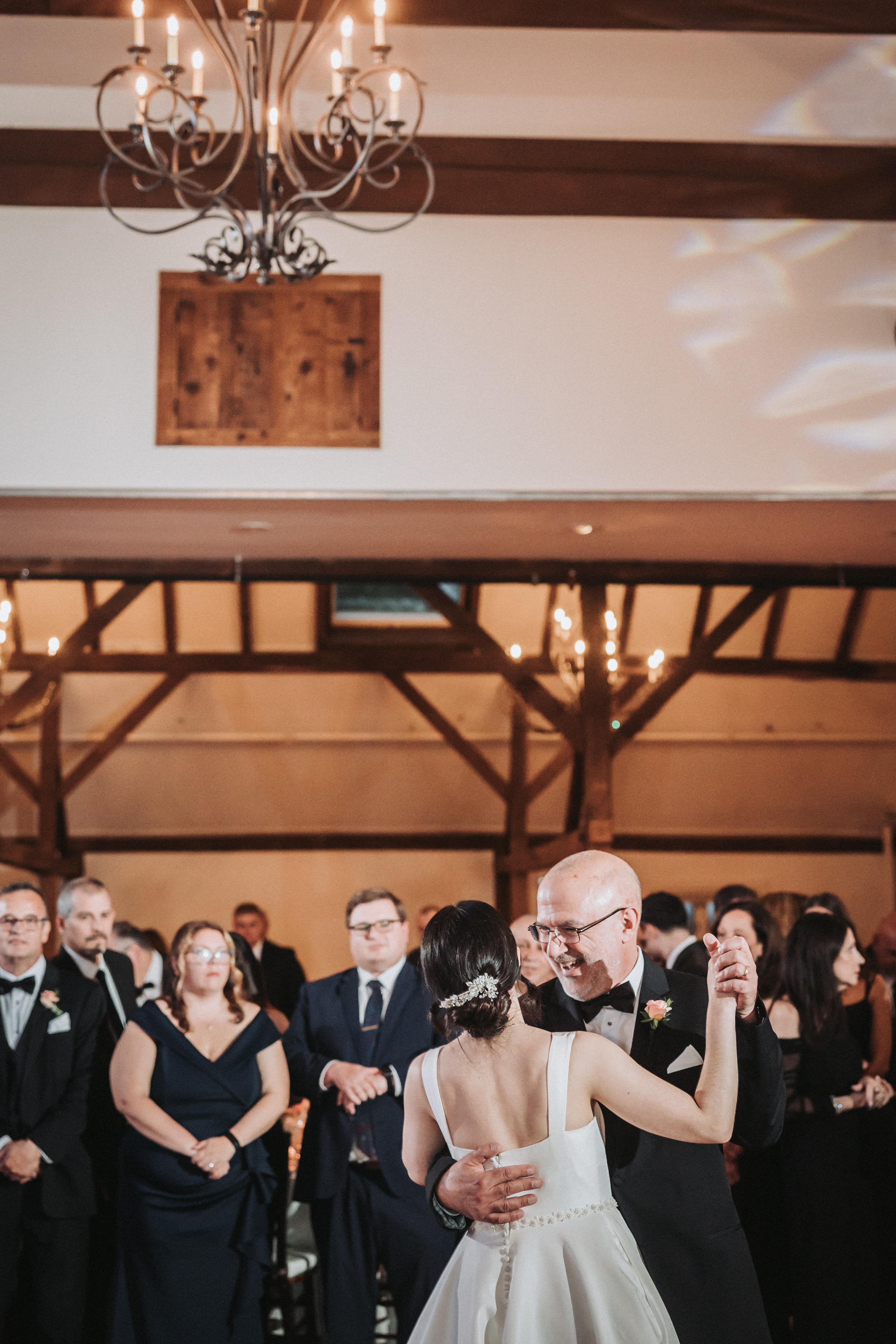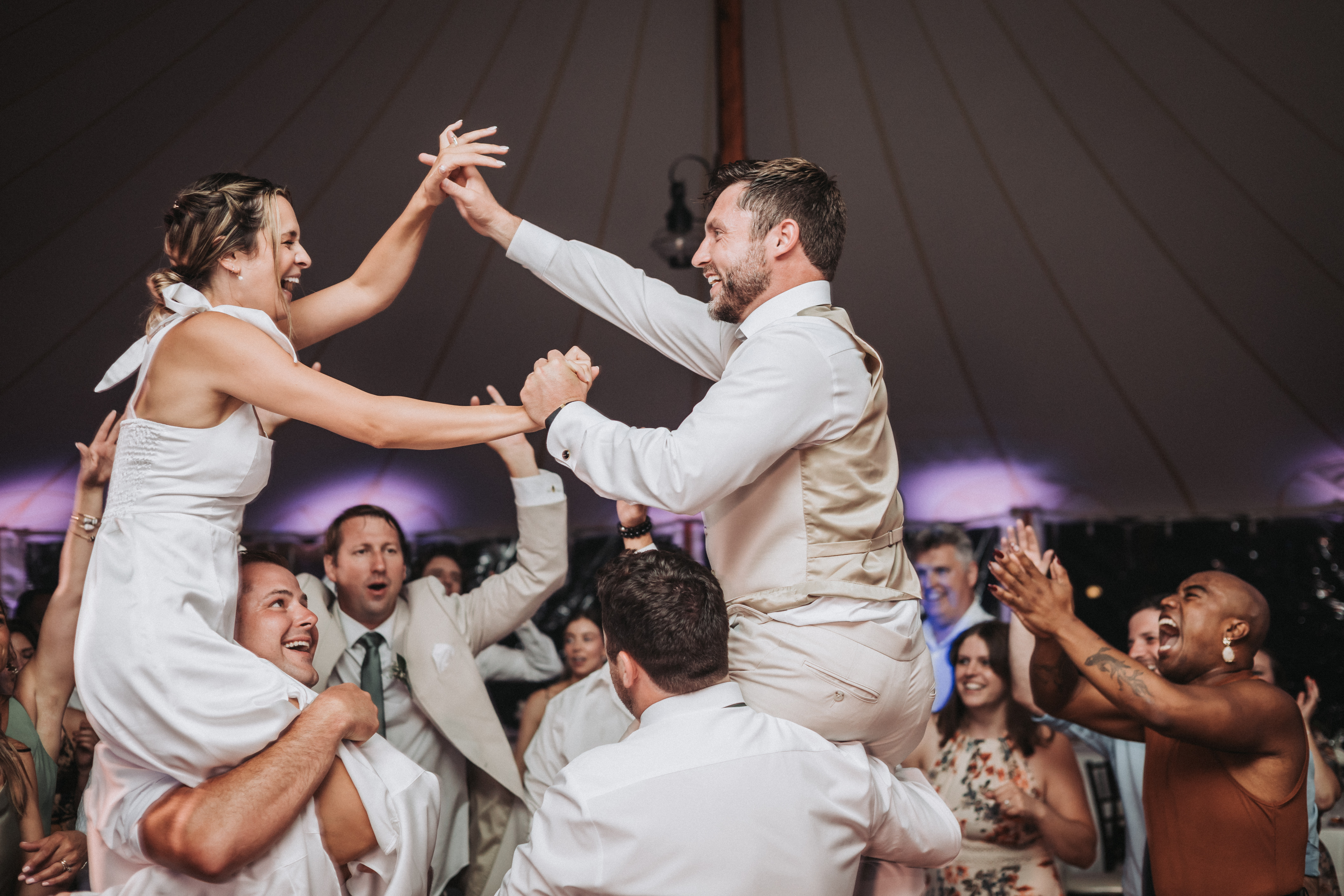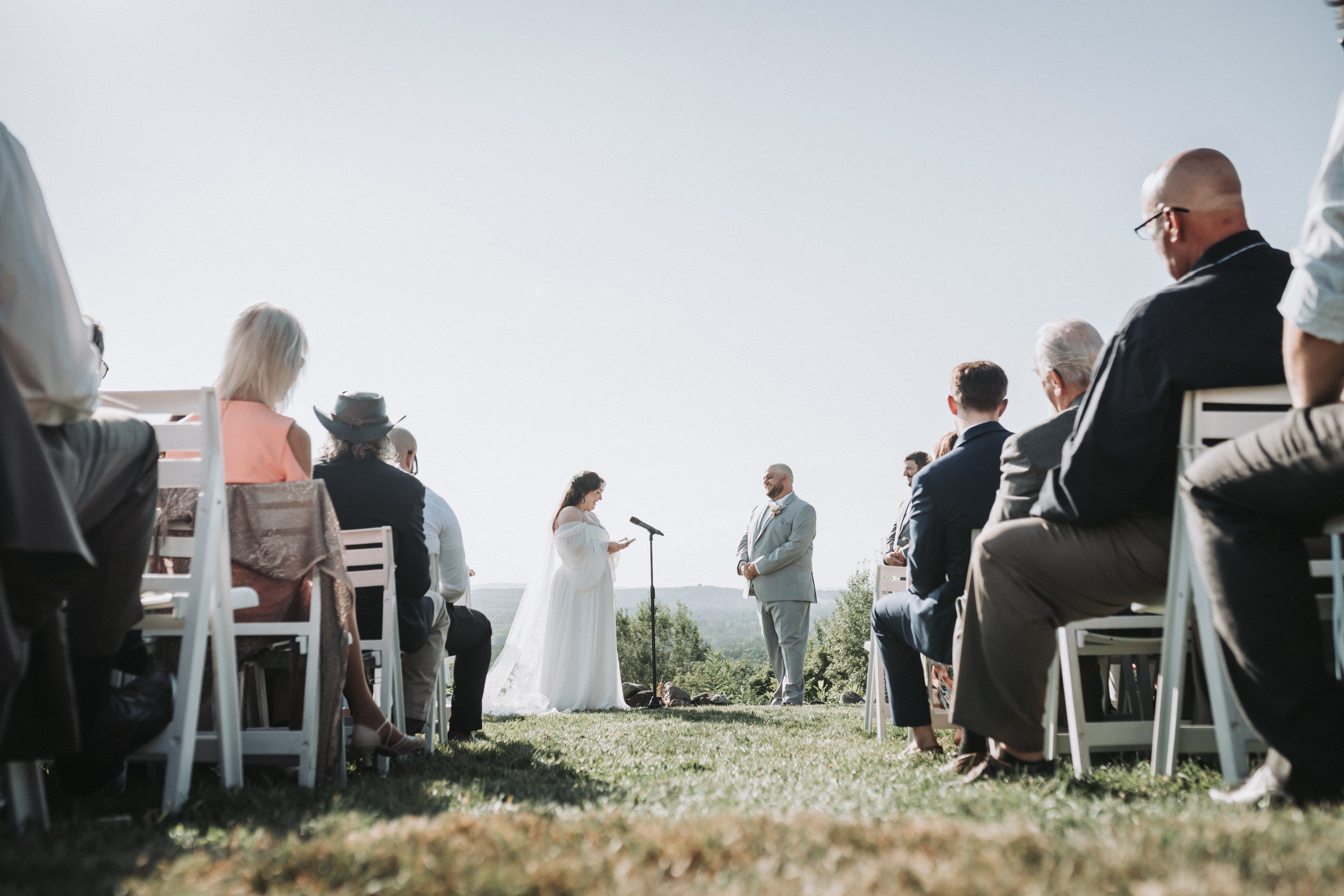
If you can only afford one, choose based on what you will actually return to. Photos are for looking at, printing and sharing, and they are what most families use most often. Video is the only way to keep voices, and that is the part people most often say they wish they had. Neither answer is correct for everyone, and there is a third option most couples do not know exists.
Our bias, stated up front
We do both. We photograph and film weddings, and in every city we work in our starting prices for the two are within a couple of hundred dollars of each other. So, unusually for the people who write about this, we have very little reason to steer you one way. Most advice on this question comes from photographers, and nearly all of it says photos first. That is a fair answer for many couples. It is not the only one, and the reasons deserve more than a statistic nobody can source.
What each one actually gives you
Photographs
- Hundreds of finished images, usually delivered as a gallery.
- Things you can print, frame and put in an album, which people still do and still value.
- Formal portraits and family groups, which only happen if someone organizes them.
- Something you can glance at in a second and share in a message to anyone.
What photographs cannot hold is sound and movement: the crack in someone's voice during the vows, the way your grandmother laughs, the first few bars of your first dance and the room reacting.
Video
- A short edited film, and, depending on the package, longer edits of the ceremony and speeches.
- Voices, which for many couples become the most valuable part of the day years later, particularly the voices of people who are no longer there.
- Movement and timing: the walk down the aisle, the dance floor filling up, how the day actually felt.
What video is not good at is being looked at casually. Most couples watch their film a handful of times a year. They look at their photos constantly, often without meaning to, because they are on the wall.
The detail most comparisons miss
Not all wedding video includes voices. A lot of entry-level wedding films, including the smallest film in our own city packages, are a short highlight cut set to music only. They are beautiful, and they are mostly moving pictures with a soundtrack.
That matters for this decision. If the reason you are leaning towards video is to keep the vows and the toasts, then the cheapest video package may not do the thing you are paying for. Check whether the package includes the ceremony and speeches with their real audio, not just a highlight film. If the cheapest video you can afford is music only, it is closer to a moving photo album than a record of what was said, and you should compare it with photography on those terms.
A quick way to decide
Lean towards a photographer if:
- You want prints, an album or photos on the walls.
- Family portraits matter, particularly with relatives who are rarely in one place.
- Your families will mostly want to share pictures, not watch a film.
Lean towards a videographer if:
- You are writing your own vows, or the speeches will be the heart of the day.
- There is someone at the wedding whose voice you want to keep.
- You know plenty of guests will take photos on their phones, and nobody will film the parts that matter properly.
If you are still split, think about which gap you could fill more easily without a professional. Guests take good phone photos all day. They almost never record clear audio of the vows.
The third option: hire one, and cover the other yourselves
The choice is usually framed as all or nothing, and it does not have to be. The common and practical version is to hire a photographer, and cover video a different way:
- A DIY video kit. Real cameras sent to you, filmed by your own people, and edited by professionals afterwards. We explain how it works in a DIY wedding video kit.
- An edit of your own phone footage. Your people film on their iPhones and an editor turns it into a short film. The part that matters is how the clips are shot and sent, which we cover in filming your wedding on iPhones.
- A friend with a camera, with a clear brief and a microphone. See asking a friend to film your wedding.
Any of these costs a fraction of a second professional, and all of them fix the one thing photos cannot: sound. Both the kit and the phone edit are on the Kit page.
The reverse works less well. Guests' phone photos are easy to collect and plentiful, but they will not give you composed portraits, family groups or album-quality images. If photos are what you care about most, a professional photographer is the part to pay for.
If you can stretch to both
Booking both from one studio usually costs less than two separate vendors, and it means the photographer and videographer already know how to stay out of each other's way. We take 10% off when you book two or more services. Our pricing page shows what each costs in your city, and we compare the two ways of buying them in wedding photography and videography packages.
For what each one costs on its own, see how much wedding photography costs and how much a wedding videographer costs. And if video is the part you are cutting, what to do if you cannot afford a videographer goes through every option.