Only if the song is licensed for it. Putting music under picture needs permission from the people who own the song and the recording, and for most chart songs that permission is not realistically available to a couple. The consequence most couples actually meet is not a lawyer. It is a muted or blocked video the moment they post it.
This is one of the most common disappointments in wedding film, and it usually lands at the worst possible moment: after the film arrives, when you ask why your first dance song is not in it, or after you post it and the sound disappears.
Our bias, stated up front
We license every song we put in a film, through Musicbed, a music library built for filmmakers. That means we cannot pull a track straight off Spotify or YouTube for you, and we tell couples so before the edit begins. Most of what ranks for this question is written by music-licensing companies, which is not a criticism, but it does mean the practical side tends to get lost under the legal side. This post is the practical side. It is not legal advice.
Why "it is only for us" does not settle it
A song has two sets of rights: the composition, owned by the songwriters and their publisher, and the specific recording, usually owned by a label. Putting either one under video needs permission, sometimes called a sync license, and it applies whether the film is posted publicly or not. Plenty of couples are told it is fine because the film is personal. Strictly, that is not how copyright works.
In practice, what a couple runs into is not an enforcement letter about a file on their laptop. It is the automated system on every platform they might share to.
What actually happens when you post it
Instagram, Facebook, YouTube and TikTok all compare uploaded audio against libraries of reference recordings supplied by rights holders. When your video matches, what happens depends on what that rights holder has chosen, and it changes over time. Common outcomes:
- The audio is muted, so the film plays in silence.
- The video is blocked, either everywhere or in certain countries.
- The video stays up but the rights holder claims it, which on YouTube can mean ads run on your wedding.
- Nothing happens today, and a claim arrives months later.
None of that is a disaster in the legal sense. It is just a bad way to find out, particularly if the film was shared with family who then cannot hear it.
The problem nobody mentions: the room audio
Here is the part that catches couples who did everything right. Your film can be scored entirely with licensed music and still carry a song you have no rights to, because the DJ played it in the room and the microphones recorded it.
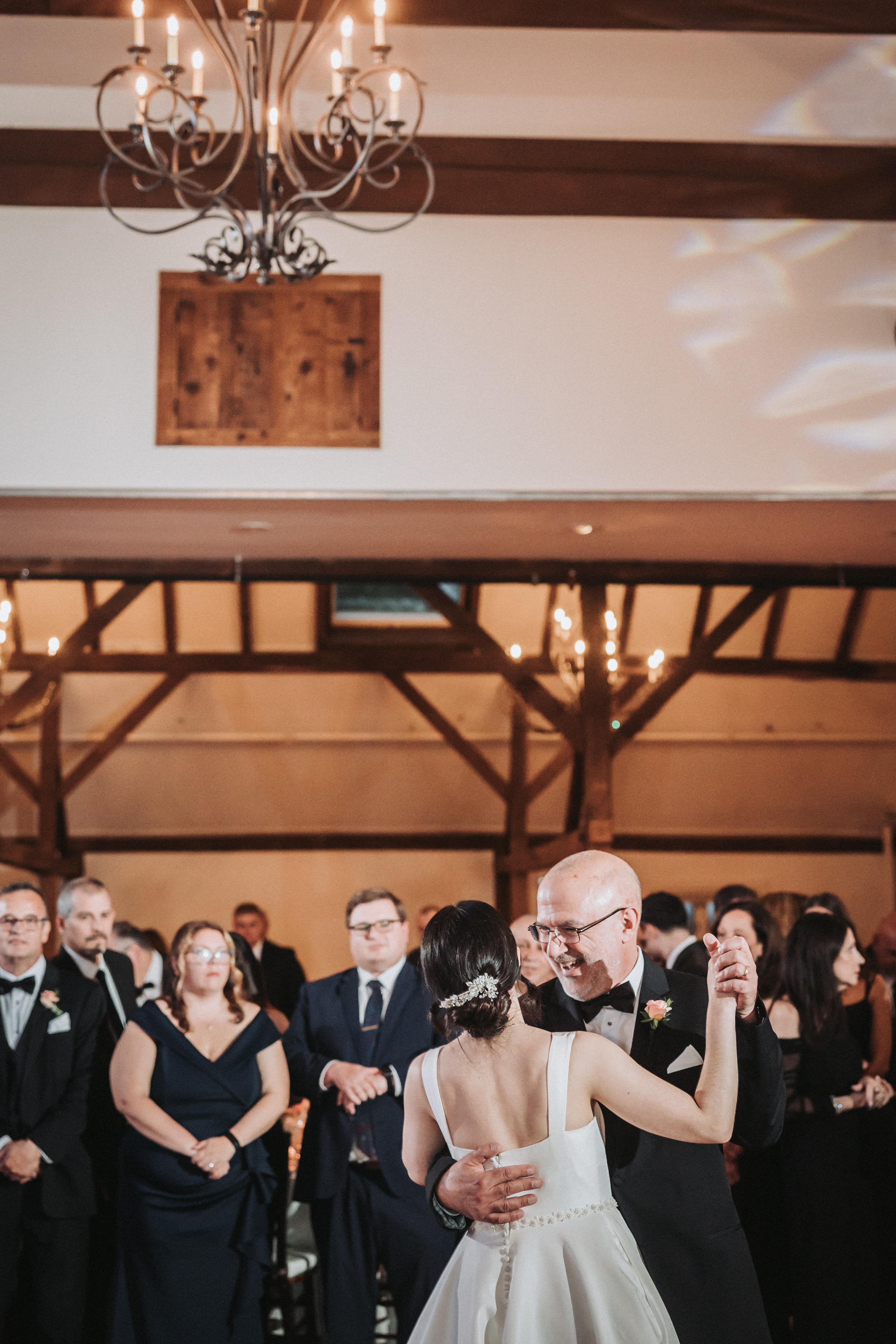
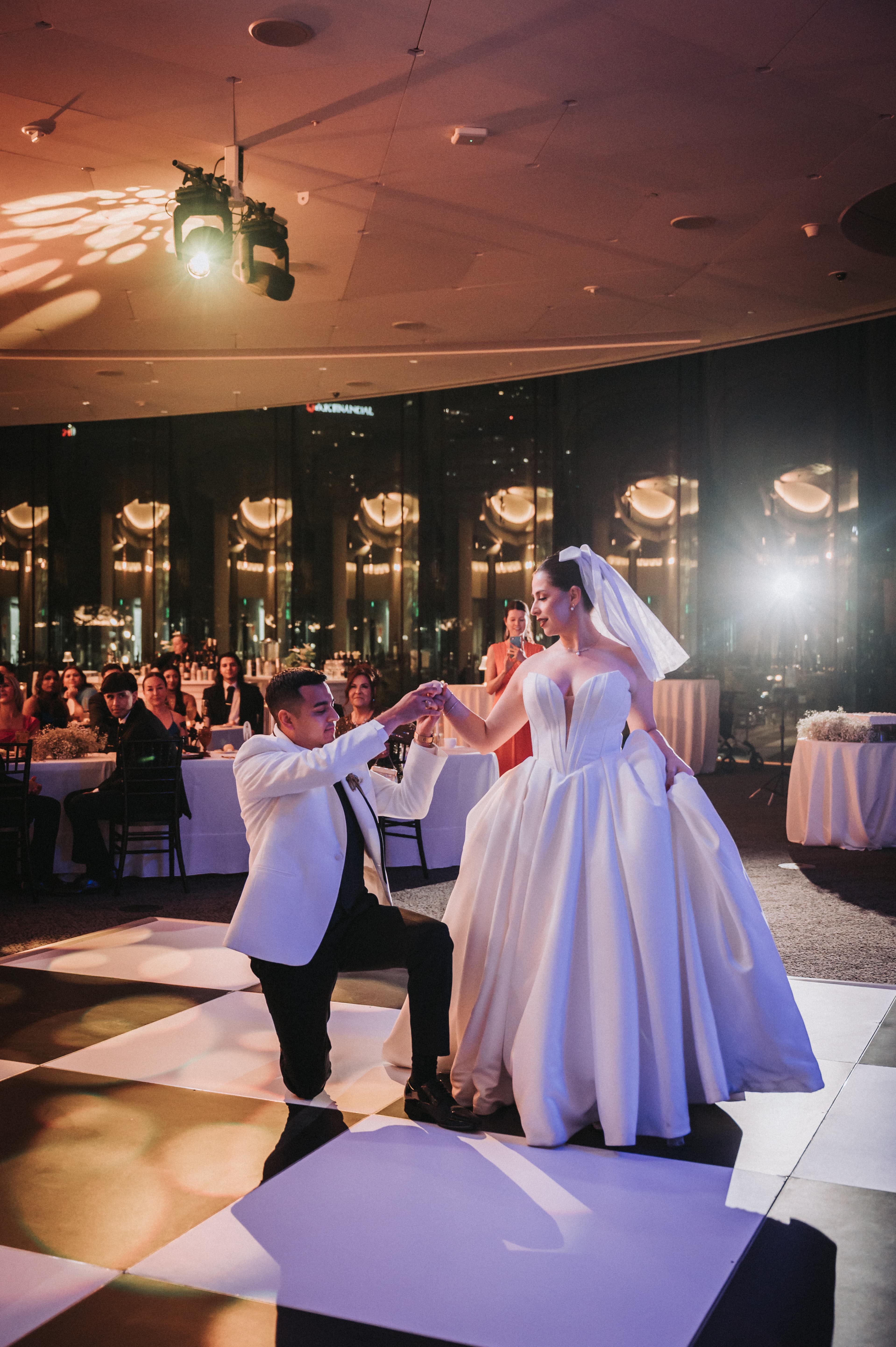
Your entrance, your first dance, the parent dances, the moment the dance floor fills: every one of those has a commercial song playing out loud, and every camera and microphone in the room picks it up. If an editor keeps the live sound of your first dance, which is often exactly what makes it feel like being there, that recording is in the film. Automated matching can catch it even under laughter and crowd noise. A live band playing a cover is a different recording and is less likely to be matched automatically, although the song itself still belongs to its writers.
This is also why a clip of your first dance, filmed by a guest on a phone, sometimes goes silent when posted. The phone heard the DJ.
So if sharing matters to you, ask your editor one specific question: how do you handle moments where the DJ's song is audible? Whether they keep the live audio, lower it under the licensed score, or cut around it, it is worth knowing before the film arrives rather than after you post it.
What you can actually do
1. Use licensed music for anything you will share
Libraries like Musicbed exist precisely for this. Their tracks come with the permission to pair them with video, which is what makes a film safe to post as delivered. The range is far wider than people expect, including a lot of the indie, folk and acoustic sound that most couples are reaching for anyway.
2. Send your favorite songs as references
If your song is the one that plays in your head when you think about your relationship, that is useful information even if it cannot be in the film. A good editor can use it to find a licensed track with the same tempo, instrumentation and feeling. When couples send us songs they love, that is what we use them for.
3. Check whether your song is already in a library
Some artists license their own music through film libraries. If a song you name is on Musicbed, we may be able to use it directly. It takes a minute to search, so it is worth doing before you give up on it.
4. Put the chart song where it is allowed
Instagram and TikTok let you add songs from their own in-app music libraries to posts from a personal account. That permission lives inside the app, for that post. So a short clip with your song added in the app is a different thing from a finished film file with the song baked into it, and it is the simplest way to share a moment set to the song you actually danced to.
5. Keep the full recordings for yourselves
The ceremony, the speeches and the dances in their full, live form are the records you will value most, and they are a different object from a film made to be posted. Treat them as something you keep, rather than something you publish.
Questions to ask before you book anyone
- Where does your music come from, and is every track licensed for the film?
- Can we send songs we love as references for the feel?
- How do you handle the live audio of the first dance and entrances when the DJ's song is audible?
- Is the finished film safe to post as delivered?
- If we want to change the song after the edit starts, what happens?
How music is used also depends on what kind of film you are getting. A film cut to music only feels very different from one where you hear your vows, and we explain that split in what a cinematic wedding video actually means. If you are still choosing the songs for the day itself, our list of aisle song ideas is a good place to start, and if the vows matter most, read why you often cannot hear them first. Planning to film it yourselves on a camcorder? The same room-audio point applies, and we covered that route in the camcorder wedding video.