Work it out from your own timeline, not from a package. Start at the first moment you want filmed, end at the last one, and allow for the videographer arriving and setting up. For most full weddings that comes to between 8 and 10 hours. And if you have to cut, cut the start of the day, never the end.
Our bias, stated up front
Our wedding films are booked at 8, 9 or 10 hours of coverage, depending on the film, and that is the same in every city we work in. So we have every reason to be straight about this: an hour count is only worth anything if it covers the moments you actually care about, and a common way couples lose a moment they wanted has nothing to do with the number of hours. It has to do with where the hours fall.
Why "8 to 10 hours" is less useful than it sounds
Almost every guide to this question gives the same bands: four to six hours for a small wedding, six to eight for most, eight to ten for a full day. That is not wrong. It is just not an answer, because two weddings with the same guest count can need very different amounts of time. A ceremony and reception in one building on one afternoon is a short day. A morning getting ready at a hotel, a ceremony across town and a reception that runs until midnight is a long one. The number that matters is yours.
How the clock actually runs
Three things surprise people when they first look at coverage properly.
- Coverage is usually one continuous block. It starts when the videographer arrives and runs until they leave, and it keeps running through the quiet parts of the day as well as the busy ones.
- The quiet parts count. Travelling between the ceremony and the reception, cocktail hour, and dinner all use hours. They matter less to the film than the ceremony and the dancing, but the clock does not know that.
- The last hour is usually the one that goes. Because the block starts early, it runs out late. More on that below, because it is the part most guides leave out.
Do the arithmetic
Write down your timeline and put a time against the first moment and the last moment you want on film. Here is an example, not a rule, for a typical full day:
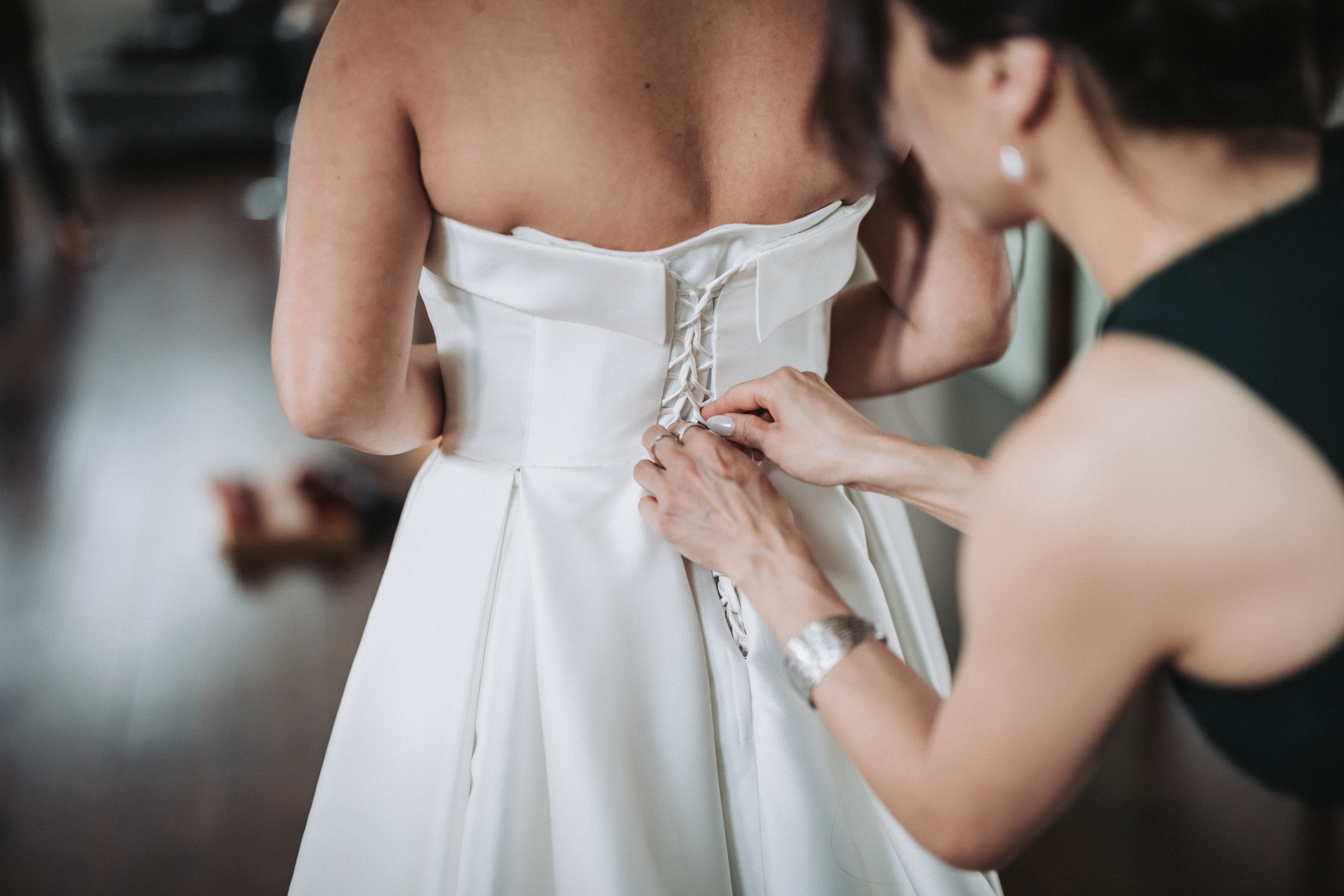
- 1:30 Videographer arrives, getting ready
- 3:00 First look and portraits
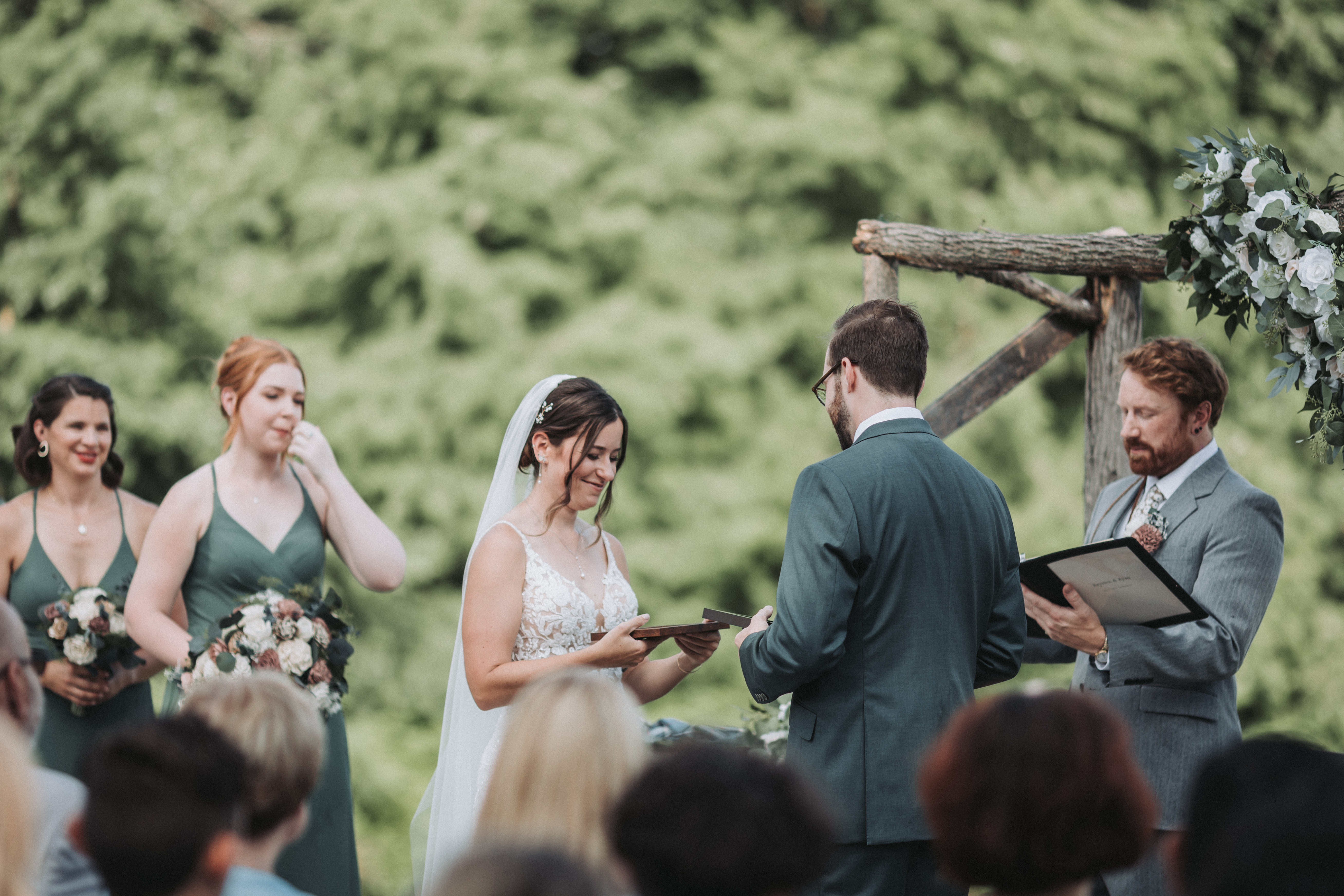
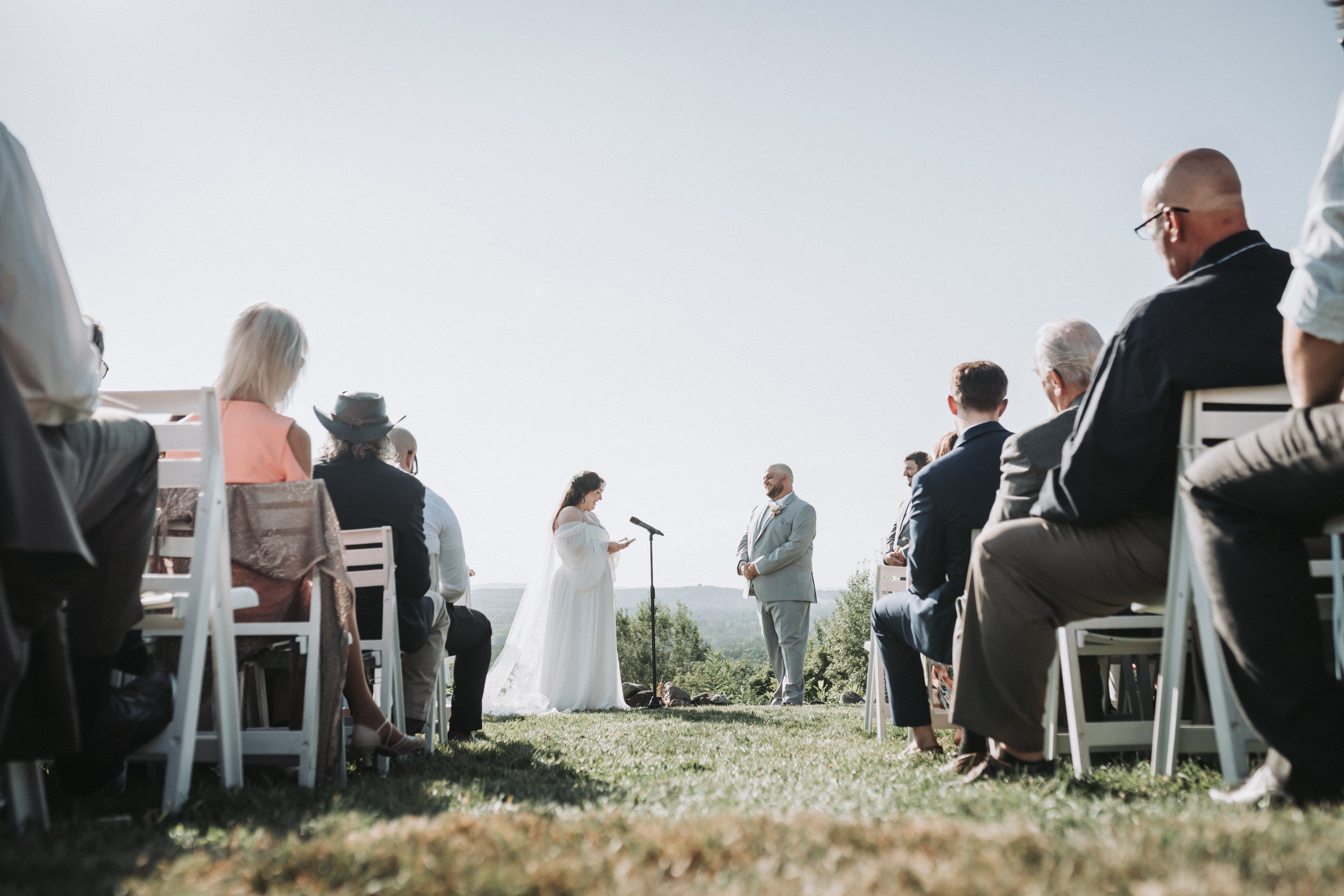
- 4:30 Ceremony
- 5:00 Cocktail hour
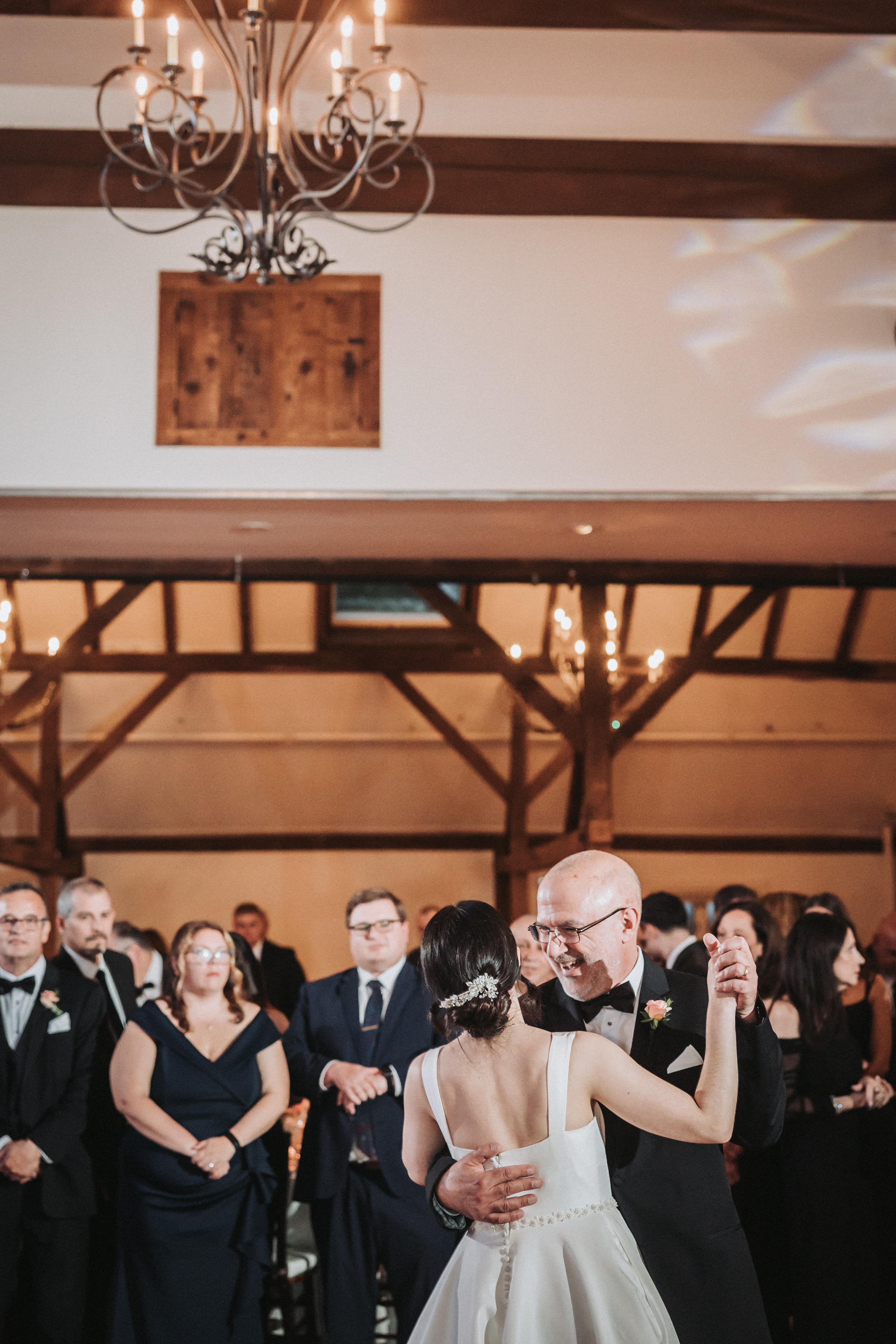
- 6:15 Grand entrance and first dance
- 7:00 Dinner and toasts
- 8:15 Parent dances, cake, open dancing
- 10:30 Last dance and send-off
From 1:30 to 10:30 is 9 hours. Book 8 hours from the same start and coverage ends at 9:30, an hour before the last dance and the send-off. Nothing about that booking looks short on paper. It just stops before the end.
The detail most guides miss: what you lose is the end of the night
Most couples set coverage to begin somewhere around getting ready, because that is where the day seems to start. The block then runs forward from there, and if it is not long enough it runs out at the end. So the moments that go missing are usually the same ones: the last dance, the send-off, the late toast from the friend who waited until everyone was on the dance floor, and the hour when the room finally loosens up.
Those are often the moments people most want to see again, and they are the ones a short booking quietly leaves out. If there is one thing to take from this post, it is to look at where your coverage ends, not just how long it lasts.
If you have to trim, trim from the front
If your timeline comes to ten hours and your budget comes to eight, move the start, not the finish. Begin with the dress going on, or with the first look, rather than the first hour of hair and makeup. You lose some detail shots and some quiet moments, which are lovely and replaceable. You keep the ending, which is not.
A few other things quietly eat hours, and are worth planning around:
- A gap between ceremony and reception. A ceremony at two and a reception at six means four hours of coverage for very little film. Ask whether the hours can be split, or plan the portraits into the gap.
- Two locations. Travel between venues comes out of the same block.
- Getting ready in two places. One videographer cannot be in both. That is a job for a second videographer, not for more hours. We cover when that is worth it in do you need a second shooter.
What to ask before you book
- When does coverage start, on arrival or at the first shot?
- Does travel between locations come out of our hours?
- Can the hours be split around a long gap in the day?
- What does it cost to stay longer on the day, and is extra time charged by the full hour or in smaller steps?
- Will you need a meal, and when do you plan to take it?
- If there are two of you, do you both work the same hours?
If the day runs longer than any package
Some weddings are really a weekend: a welcome party, a rehearsal dinner, a ceremony, an after-party. No single block of hours covers all of that well. The practical answer is to put professional coverage where it matters most, the ceremony and the reception, and to cover the rest another way. We go through how in filming your wedding weekend, and the Kit puts cameras in your guests' hands for the parts no videographer is booked for.
For what the films themselves include at each length, see our pricing page. For when to book, see when to book your wedding vendors, and for what it costs, how much a wedding videographer costs.