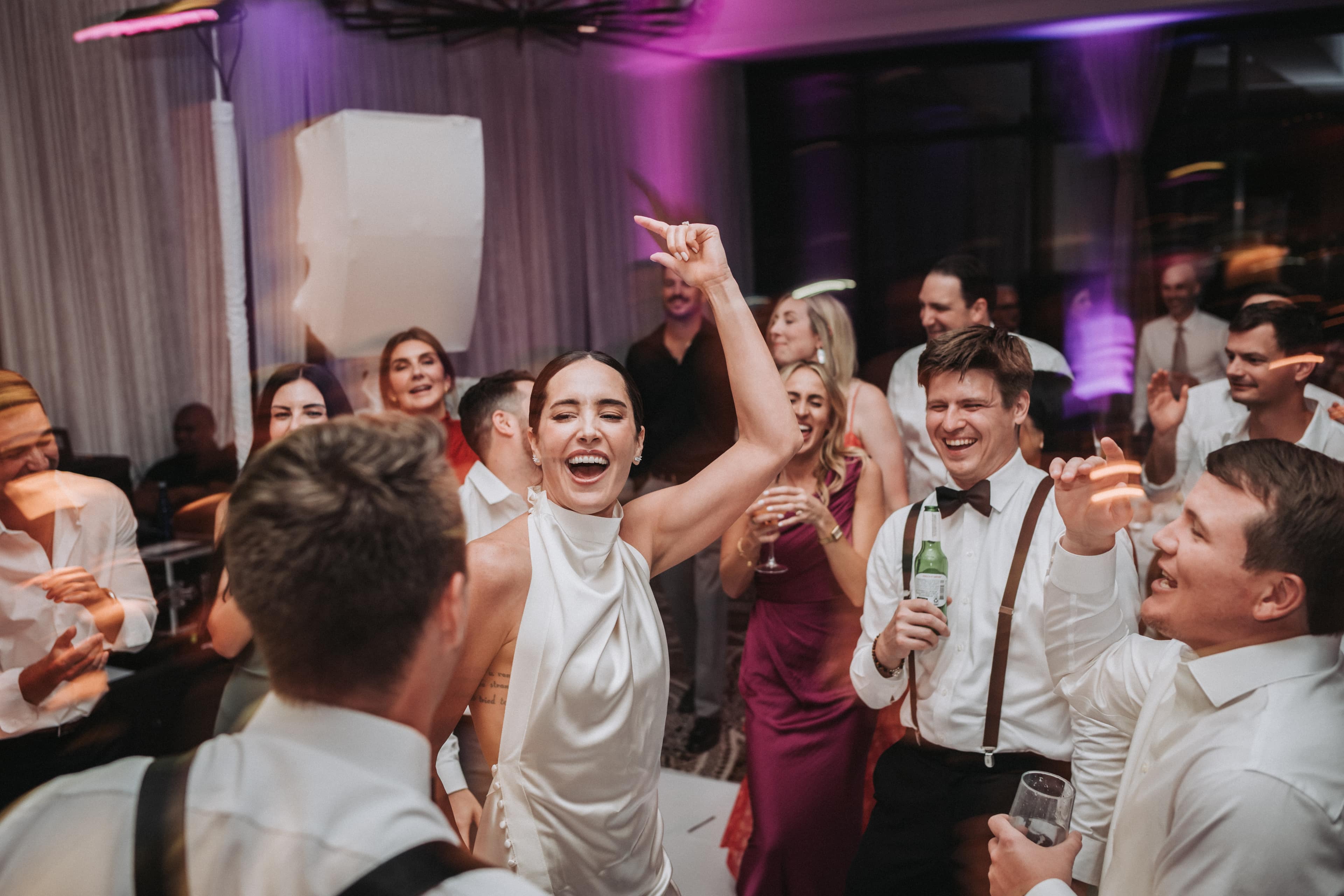
Weddings stopped being one day a while ago. There is a welcome party now, or a rehearsal dinner that half the guest list attends, or a morning-after brunch, or all three. For a lot of couples the wedding is the middle of a long weekend rather than the whole of it.
Coverage has not caught up. Search whether the rehearsal dinner is worth photographing and every result is a photographer offering to sell you two or three more hours at $500 to $1,500. That is a fair offer and the reasoning behind it is sound. But notice what nobody in those results mentions: video, and the fact that the people at those events are already holding cameras.
Why the surrounding events film so well
There is a reason the footage from a welcome party often plays better than footage from the reception, and it is not the lighting.
- Nobody is performing yet. On the wedding day everyone knows there are professionals in the room. At a rehearsal dinner they forget, and you get people as they actually are.
- You can actually talk to your guests. The wedding day is choreographed to the minute and most couples barely speak to half the room. The night before is when the real conversations happen.
- The toasts are looser. Rehearsal dinner speeches are frequently better than wedding toasts, because the speaker is less terrified and the room is smaller.
- The morning after is unguarded. Everyone is tired, comfortable, slightly wrecked, and completely themselves. It is often the warmest footage of the whole weekend and almost nobody records it.
These are exactly the moments couples tell us they wish they had. They are also the ones that fall outside a standard coverage window.
The problem with buying more hours
Extending professional coverage across a weekend works, and if the budget is there it is genuinely lovely. But look at the shape of it: you are paying an hourly rate for events that are, by nature, long, loose and unpredictable. A welcome party that drifts for five hours is five hours of coverage. The brunch the next morning is a separate call-out.
For most couples that stacks up faster than the value does. Which is why the honest advice in most of those articles is a version of "focus your budget on the wedding day" - correct, and also an admission that the rest of the weekend just goes unrecorded.
There is a third option that the coverage-hours framing hides completely.
The camera that is already there
If a camera is in the room for the whole weekend, the events around the wedding cost nothing extra to film. There are no hours to buy, because nobody is being paid by the hour.
This is the thing we built The Kit around, so treat it as an interested party making its own case. The standard rental is a 7-day window, and you can add extra days at checkout to cover a bachelor or bachelorette weekend plus the wedding itself. The camera arrives before the first event and goes back after the last one. Whether you film the rehearsal dinner is a decision you make in the moment, not a line item you commit to months ahead.
That is the same bargain behind guest-filmed wedding video generally. The trade is real and worth stating: you get more of the weekend, filmed less expertly. A friend with a camcorder at the welcome party is not a professional operator. But for a loose, warm, badly-lit party, that gap matters far less than it does at a ceremony, and "slightly rough footage that exists" beats "polished footage that does not" every time.
What to film across the weekend
If you have a camera for the whole run, here is where it earns its keep, roughly in order of how glad couples are to have it.
The rehearsal dinner toasts
The single highest-value thing on this list. Smaller room, looser speakers, and the speeches people actually quote back for years. Get the speaker and get the room reacting.
Getting ready, the day before
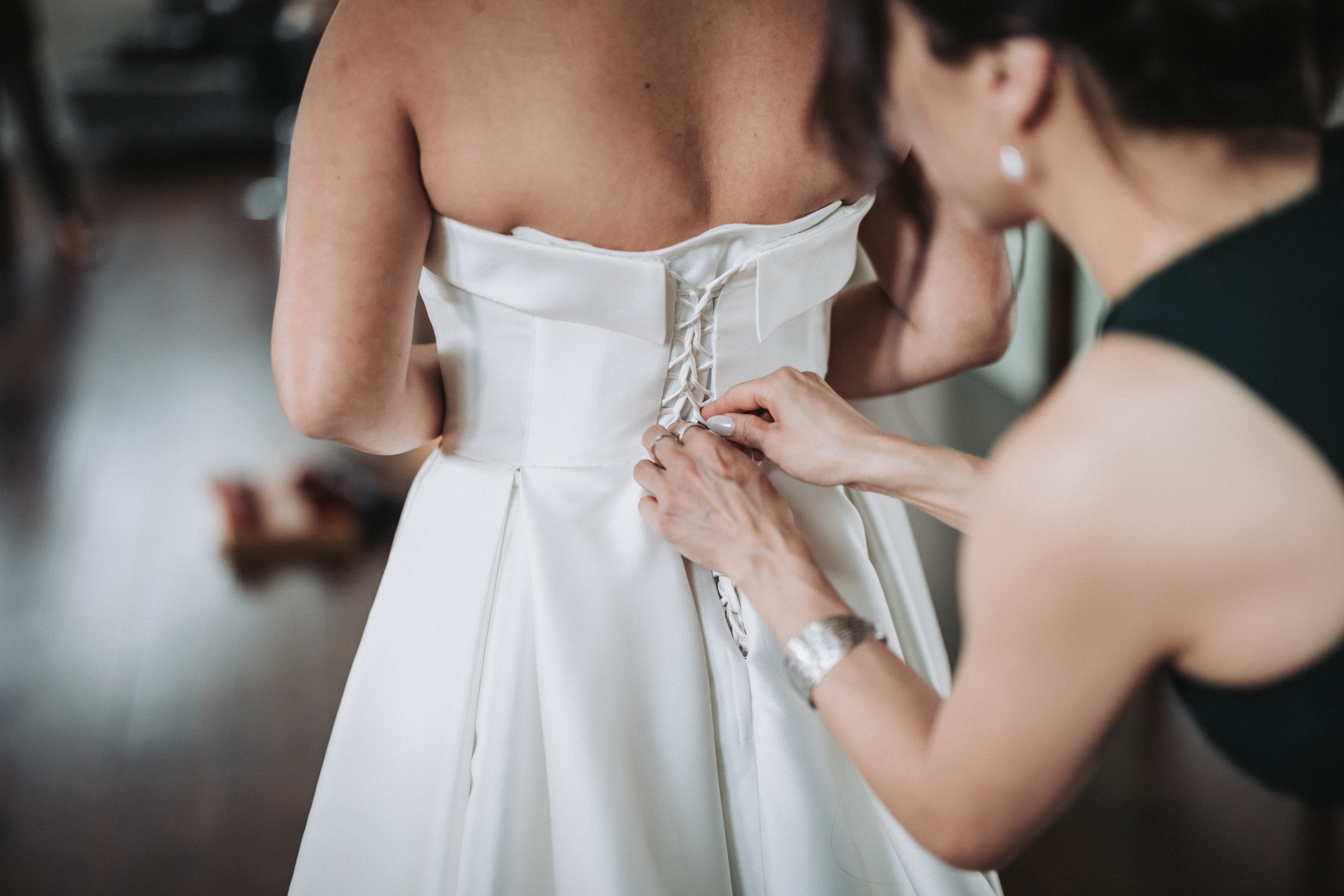
Not the wedding-morning version, which is well covered. The night before: people arriving, hugging in hotel lobbies, the first time two families meet. That footage does not exist anywhere else.
The welcome party
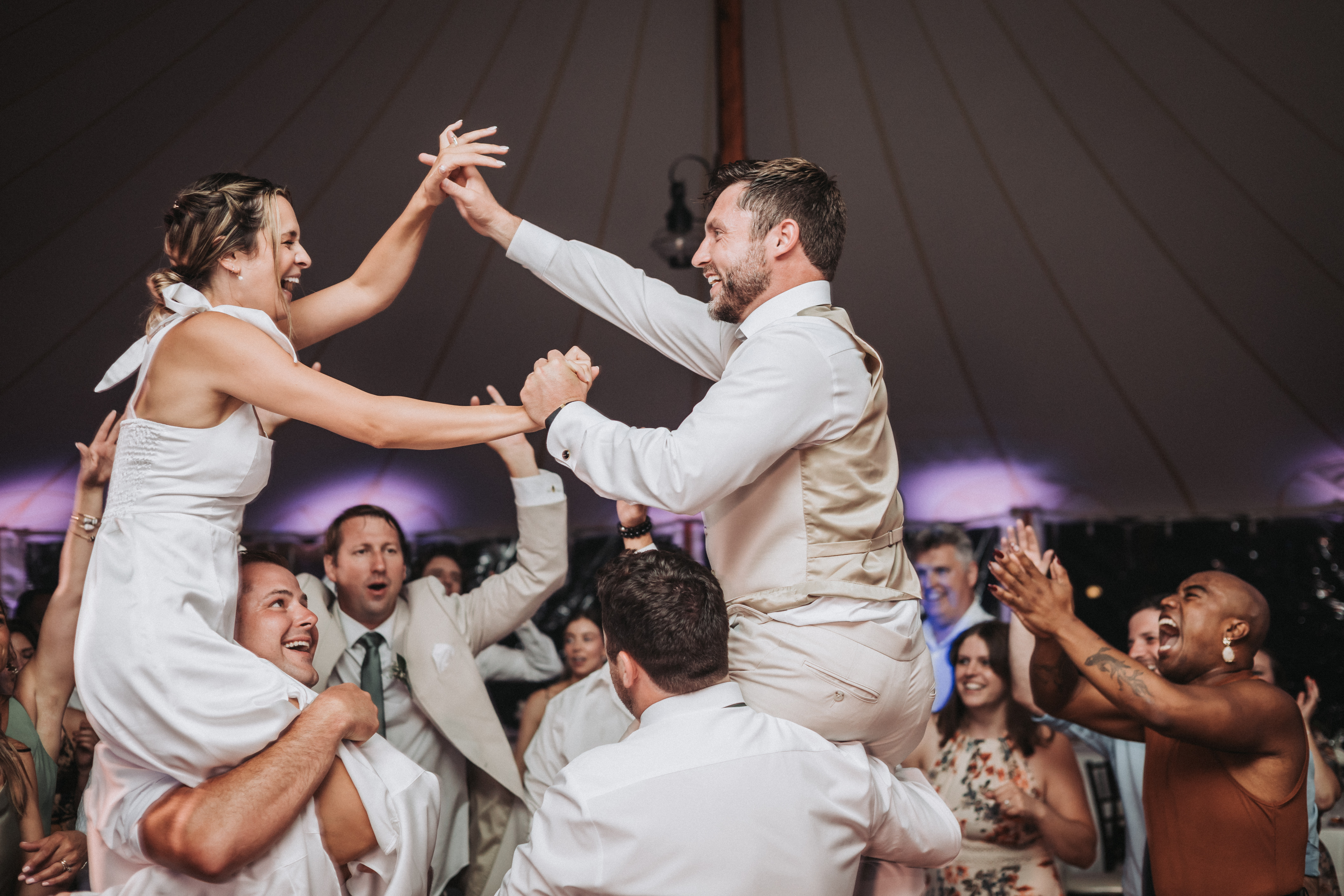
Long, loose, and the one event where you are genuinely present with your guests. Hand the camera around rather than assigning it.
The after party
Whatever happens after the formal reception ends is almost never covered, because professional coverage has finished by then. If you want to remember the last hour of your wedding night, someone in the room has to be filming it.
The morning after
Brunch, or just the hotel lobby. Quiet, tired, affectionate. Worth five minutes of someone's attention.
How to make it actually happen
The failure mode is not the camera. It is that everyone is busy and nobody was asked.
- Give the camera an owner per event, not for the whole weekend. One person for the rehearsal dinner, a different one for the welcome party. A single volunteer across three days will quietly stop filming by day two.
- Ask them before the weekend, not during. Our guide to asking a friend to film covers how to make that ask well.
- Tell them to hold shots longer than feels natural. The most common problem with guest footage is not shakiness, it is clips that end after two seconds.
- Do not try to cover everything. Three good minutes from the rehearsal dinner beats forty aimless ones.
- Leave the ceremony out of it. The surrounding events are exactly where phones and cameras belong; the ceremony is the one stretch worth going unplugged for.
- Give the photos somewhere to land too. The same weekend produces hundreds of phone photos across dozens of camera rolls. A shared gallery catches those before they scatter.
What we would actually do
If the budget allows professional coverage across the whole weekend, take it. It will look better than anything described here.
If it does not, and for most couples it does not, do not conclude that the weekend goes unrecorded. Have a camera in the room for the whole run, give it a named owner at each event, and accept slightly rough footage of the rehearsal dinner toasts over none at all.
The wedding day will be the best-covered eight hours of your life. It is the other forty that nobody plans for.
Common questions
Is it worth photographing the rehearsal dinner?
The moments are genuinely worth having, especially the toasts. Whether it is worth $500 to $1,500 of extra professional coverage depends on your budget. If it is not, that is an argument for a camera in the room rather than for skipping the event.
How much does extra weekend coverage cost?
Typically $500 to $1,500 for two to three hours, depending on your market. Multi-event weekends stack quickly, since each event is usually its own call-out.
What is the most valuable event to film besides the wedding?
The rehearsal dinner, for the toasts. Smaller room, looser speakers, and the speeches guests actually remember.
Who should film the events around the wedding?
A different person at each event rather than one volunteer for the whole weekend. Asked in advance, given one job, and told to hold each shot longer than feels natural.
Does a kit rental cover the whole wedding weekend?
Ours does. The standard window is 7 days, and you can add extra days at checkout for a bachelor or bachelorette weekend plus the wedding, so the surrounding events are easy to fold in.